

Commercial Roofs in Florida: How Soft Cool Roofing Saves Money & Improves Building Performance
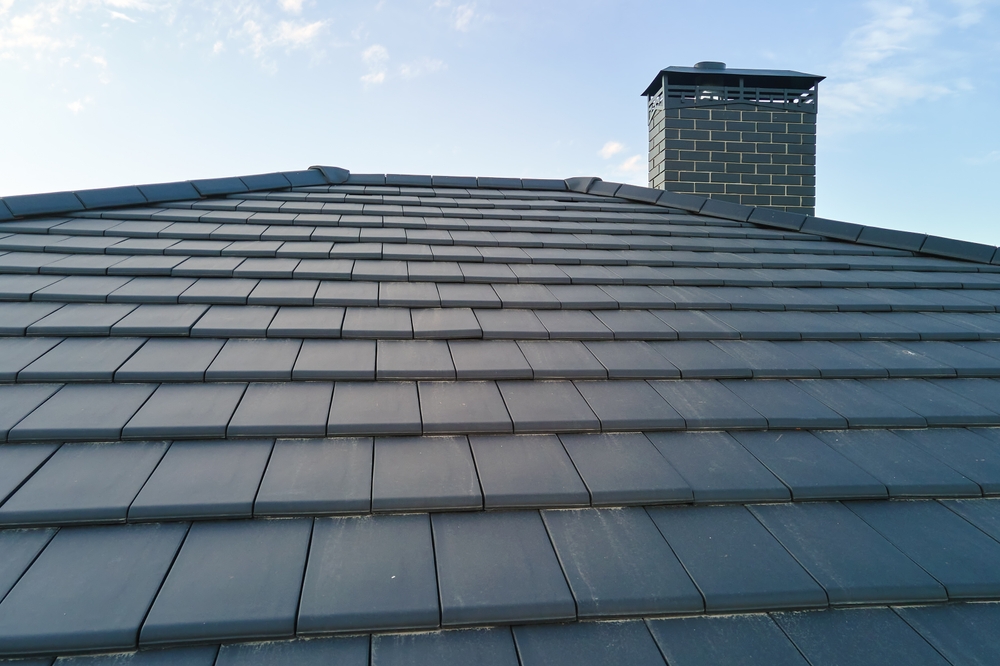
Florida’s intense sun and humid climate create unique challenges for commercial building owners. The state experiences some of the highest solar radiation levels in the nation, which means rooftops absorb tremendous amounts of heat throughout the year. This absorbed heat translates directly into higher cooling costs for businesses trying to maintain comfortable indoor environments. Soft cool roofing represents a proven solution that addresses these challenges while delivering significant financial and operational benefits.
Commercial cool roofing technology has evolved considerably over the past decade. The latest soft cool roofing installation methods combine advanced materials with proven application techniques to create highly reflective roof surfaces. These systems work by bouncing solar radiation away from buildings rather than absorbing it, fundamentally changing how commercial properties manage thermal loads. For Florida businesses operating in this demanding climate, understanding how soft cool roofing works and why it matters has become increasingly important.
Understanding Soft Cool Roofing Technology
Soft cool roofing differs from traditional roofing systems through its specialized reflective coatings and materials. These systems consist of flexible, elastomeric membranes that can accommodate building movement while maintaining superior reflectivity. The technology relies on high albedo values, meaning the roof surface reflects a significantly higher percentage of incoming solar radiation compared to conventional dark roofing materials.
Traditional commercial roofs in Florida typically feature dark membranes that absorb sunlight and convert it into heat. This creates a thermal effect where roof surfaces reach temperatures of 160 to 180 degrees Fahrenheit on clear days. Soft cool roofing systems, by contrast, remain considerably cooler because they reflect rather than absorb solar energy. This fundamental difference in performance makes an enormous impact on building energy consumption, especially in Florida’s relentless subtropical climate.
The installation process for soft cool roofing involves applying reflective coatings to existing roof membranes or installing new lightweight systems designed specifically for maximum reflectivity. The materials typically contain ceramic microspheres, reflective pigments, or other advanced compounds that enhance solar reflectance. Proper soft cool roofing installation requires specialized knowledge and attention to detail, as the effectiveness of the system depends on complete coverage and proper application techniques.
Energy Savings and Cost Reduction
The financial benefits of soft cool roofing for Florida commercial properties are substantial and measurable. Energy modeling studies consistently show that reflective roof systems reduce cooling costs by 20 to 30 percent, with some buildings experiencing even greater savings depending on their specific conditions. For a medium-sized commercial building in Florida, this translates into annual savings that quickly offset the initial investment in soft cool roofing installation.
Florida’s electrical rates rank among the highest in the nation, making energy efficiency a critical concern for business operators. When a building’s cooling system operates less intensively because the roof reflects heat, the entire HVAC system experiences reduced stress. This means lower electricity consumption, reduced peak demand charges, and decreased operating costs throughout the year. The savings accumulate month after month, year after year, creating a compelling return on investment.
Beyond direct energy savings, soft cool roofing reduces peak demand charges that many Florida commercial customers face. Utility companies charge premium rates during peak demand periods, and buildings with efficient roofing systems use less energy during these expensive hours. This dual benefit of reduced consumption and lower demand charges creates additional financial incentives for upgrading to commercial cool roofing systems.
Extending Roof Lifespan and Reducing Maintenance
Soft cool roofing systems extend the functional life of commercial roofing installations by protecting underlying membranes from the damaging effects of ultraviolet radiation and extreme heat cycling. In Florida’s harsh environment, where roofs face constant exposure to intense UV radiation, reflective coatings serve as a protective barrier that significantly slows material degradation.
The reduced surface temperatures achieved through soft cool roofing installation means less thermal stress on roofing materials. This lower thermal cycling reduces expansion and contraction cycles that cause premature cracking, membrane shrinkage, and seal failures. Building owners report that reflective roof systems maintain their integrity considerably longer than conventional dark roofing, delaying costly replacement projects and reducing maintenance expenses.
Regular maintenance requirements also decrease with soft cool roofing systems. The protective nature of reflective coatings means fewer UV-related failures and reduced deterioration of flashing and seals. Many Florida commercial property owners find they can extend maintenance intervals and reduce emergency repair calls when they upgrade to high-performance reflective roofing systems.
Environmental Benefits and Sustainability
Soft cool roofing contributes to reducing the urban heat island effect that plagues many Florida cities. When numerous buildings reflect solar radiation rather than absorb it, the cumulative effect moderates local ambient temperatures. This community-wide benefit reduces cooling demands across entire neighborhoods and districts, lowering overall energy consumption and associated carbon emissions.
The sustainability credentials of commercial cool roofing align with modern environmental standards and building certifications. Many LEED certified buildings in Florida incorporate soft cool roofing as part of their sustainability strategies. The reduced energy consumption directly translates into lower operational carbon footprints, helping businesses meet environmental commitments and appeal to environmentally conscious customers and investors.
Additionally, soft cool roofing reduces the cooling loads that would otherwise contribute to regional energy consumption patterns. This has meaningful implications for grid stability, particularly during peak summer months when Florida’s electrical infrastructure faces maximum strain. By reducing overall cooling demand, reflective roofing systems help stabilize the broader energy system.
Installation Considerations for Florida Properties
Successful soft cool roofing installation in Florida requires understanding local climate conditions and building-specific factors. Professional installation contractors must assess existing roof conditions, ensure proper substrate preparation, and apply reflective coatings or membranes according to manufacturer specifications. The salt spray environment in coastal Florida areas may require specialized coatings designed to withstand corrosive conditions.
Florida’s building codes and energy standards increasingly favor soft cool roofing systems. Many municipalities offer expedited permitting or incentive programs for businesses that install reflective roofing. Commercial property owners should work with experienced roofing contractors familiar with Florida-specific requirements and local ordinances governing roof installations.
The timing of soft cool roofing installation matters in Florida’s climate. Working during the dry season and avoiding installation during peak hurricane or thunderstorm periods ensures proper curing and application of reflective coatings. Professional installers understand these seasonal considerations and schedule projects accordingly to maximize system performance.
Choosing the Right Soft Cool Roofing System
Florida commercial property owners have several options when selecting soft cool roofing systems. Reflective coatings applied to existing membranes offer cost-effective upgrades that improve performance without complete roof replacement. Alternatively, new soft cool roofing membrane systems provide the highest performance when installed on structures nearing the end of their roofing life.
The choice between coating systems and full roof replacement depends on the condition of existing roofing, long-term property plans, and budget considerations. Experienced roofing professionals can evaluate these factors and recommend solutions that balance performance objectives with financial constraints. Working with qualified contractors ensures that soft cool roofing installation meets quality standards and delivers promised performance benefits.
Conclusion
Soft cool roofing represents a transformative technology for commercial buildings throughout Florida. By combining superior energy efficiency with extended roof lifespan and environmental benefits, reflective roofing systems deliver comprehensive value to business owners and property managers. The intense solar radiation and high cooling costs characteristic of Florida’s climate make commercial cool roofing an exceptionally practical investment.
The financial returns from soft cool roofing installation extend beyond simple energy savings. Reduced maintenance requirements, extended roof life, lower demand charges, and potential incentive programs combine to create attractive returns on investment. Environmental benefits add another layer of value, appealing to businesses seeking to enhance their sustainability profiles and reduce operational carbon footprints.
Florida commercial property owners exploring ways to improve building performance while reducing operating costs should seriously evaluate soft cool roofing systems. The technology is proven, the financial benefits are measurable, and the installation processes are well-established. By upgrading to reflective roofing systems, Florida businesses can enjoy cooler, more efficient buildings while maintaining a competitive edge through lower operational expenses.