What Fort Lauderdale Property Owners Should Know About South Florida Roofing Challenges
Owning property in Fort Lauderdale means dealing with roofing conditions that are very different from those in much of the country. Intense sun, tropical downpours, high humidity, salt-laden coastal air, and hurricane-season winds can all accelerate wear and expose small roofing problems before property owners realize they exist.

Quick answer: South Florida roofs need to withstand repeated heat, moisture, wind, and heavy rain rather than just one isolated weather threat. Property owners should pay particular attention to drainage, flashing, roof penetrations, loose or deteriorated materials, moisture intrusion, and storm-related damage. Regular roof inspections and repairs can help prevent minor defects from turning into leaks, damaged decking, interior water problems, or larger roofing projects.

What local property owners should know

  • Heavy South Florida rain can expose weak flashing, clogged drainage points, deteriorated seams, and small roof openings quickly.

  • Broward County properties must also be prepared for tropical storms and hurricanes that can subject roofing materials to significant wind uplift and wind-driven rain.

  • Coastal neighborhoods such as Harbor Beach, Las Olas Isles, and Lauderdale-by-the-Sea may experience additional exposure to salty, humid air.

  • Flat and low-slope roofing systems common on commercial properties require especially careful attention to drainage and ponding water.

  • Roof problems are easier to address when they are identified before hurricane season or prolonged periods of summer rainfall.

Why Roofing Challenges Are Different in Fort Lauderdale

Roofing challenges in Fort Lauderdale are different because properties face heat, humidity, heavy rainfall, coastal conditions, and tropical weather within the same climate. Instead of protecting a building from one dominant seasonal hazard, the roof must perform through repeated cycles of intense sun, moisture, wind, and sudden storms.

South Florida’s climate puts roofing assemblies under nearly year-round environmental stress. Strong sunlight can gradually age exposed roofing materials and sealants. Afternoon thunderstorms can deliver substantial rainfall in a short period, while humid conditions can make moisture problems more difficult to dry out once water reaches vulnerable areas.

Hurricane season adds another consideration. The City of Fort Lauderdale identifies high winds, intense rainfall, flooding, and wind-borne debris among the hazards associated with hurricanes. Broward County also emphasizes that stronger hurricanes can cause significant damage to roofing materials.

Global Roofing Spec Inc serves property owners dealing with these South Florida roofing conditions. We focus on helping owners understand what their roof is experiencing, where problems may be developing, and which roofing solution is appropriate for the property.

Local Roofing Conditions We Commonly Watch

The most important local roofing conditions are water management, material deterioration, wind vulnerability, and heat exposure. These conditions can overlap, which means a roof that appears acceptable from the ground may still have developing issues around drainage areas, penetrations, flashing, seams, or attachment points.

Fort Lauderdale’s own historic preservation roofing guidance identifies standing water and poor drainage as typical problems for low-slope roofs. It also notes that asphalt shingles can become brittle, lose mineral coating, curl, or become dislodged by hurricane-strength winds over time.

For properties around Downtown Fort Lauderdale, Victoria Park, Coral Ridge, Rio Vista, and the Intracoastal Waterway, building design also matters. A steep-slope residential roof, a condominium roof, and a large commercial low-slope system can experience the same storm differently. Roofing evaluations therefore need to consider the actual assembly rather than weather conditions alone.

How South Florida Conditions Affect Your Roof

South Florida conditions affect roofs by accelerating wear and repeatedly testing areas where water or wind can enter. Heat can age exposed materials, heavy rain tests drainage and waterproofing, and high winds can exploit loose components or vulnerable edges.

Leaks are not the only possible result. Moisture can affect roof decking, insulation, ceilings, wall finishes, and other building components. On commercial properties, roofing problems may also disrupt tenants, employees, inventory, equipment, or normal business operations.

Coastal exposure deserves attention as well. Properties near Fort Lauderdale Beach, Port Everglades, and the Intracoastal are routinely exposed to humid marine air. Metal components, fasteners, flashings, rooftop equipment connections, and other exposed details should be evaluated as part of a complete roofing assessment.

Warning Signs Fort Lauderdale Property Owners Should Watch For

Roofing warning signs often appear as changes in drainage, materials, ceilings, or rooftop components before a major failure occurs. Property owners should investigate visible changes promptly, especially following severe rain or high winds.

Watch for:

  • Missing, lifted, cracked, curling, or visibly damaged shingles.

  • Water stains or discoloration on ceilings and interior walls.

  • Ponding or slow-draining water on flat and low-slope roofing.

  • Cracked, separated, or deteriorated flashing around penetrations.

  • Loose roofing material near edges, corners, vents, or rooftop equipment.

  • Bubbling, blistering, splitting, or open seams on membrane roofing.

  • Debris accumulating around drains, scuppers, valleys, or gutters.

  • New interior moisture following a South Florida thunderstorm or tropical weather event.

A single symptom does not automatically mean an entire roof requires replacement. It does mean the source should be identified before additional rainfall makes the condition harder or more expensive to address.

When Should You Call a Roofing Professional?

You should call a roofing professional when you see active leakage, storm damage, loose roofing materials, persistent ponding, deteriorated flashing, damaged membranes, or unexplained interior moisture. Professional evaluation is also appropriate when the roof cannot be safely inspected from the ground.

Property owners can perform simple visual checks from a safe location and keep gutters or accessible drainage areas clear when doing so does not require climbing onto the roof.

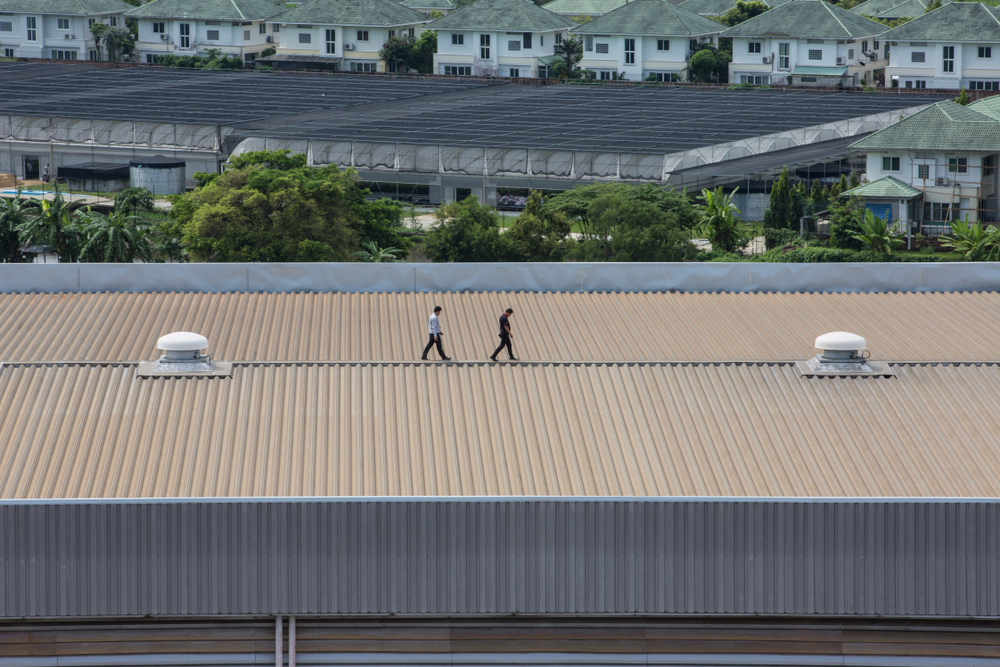
Roof walking should generally be left to trained professionals. Roofing surfaces can be slippery after rain, and stepping on already weakened materials may cause additional damage.

After major weather passes through Broward County, an evaluation can also help determine whether apparently minor damage has affected waterproofing or other roof components.

Common Causes of Roofing Problems in South Florida

The most common South Florida roofing problems are caused by water, ultraviolet exposure, wind, drainage deficiencies, aging materials, and vulnerable roof details. The combination matters because one condition can make the roof more susceptible to another.

1. Heavy rainfall and drainage problems: Tropical downpours can overwhelm poorly maintained drainage areas. On low-slope roofs, clogged drains or inadequate drainage can allow water to remain on the roof longer than intended.

2. Wind and wind-driven rain: Tropical storms do not need to remove an entire roof to create problems. Wind can affect edges, shingles, flashing, membranes, and penetrations while driving rain into small openings.

3. Intense sunlight and heat: Prolonged exposure can contribute to deterioration of coatings, sealants, membranes, shingles, and other materials.

4. Aging flashing and penetrations: Vents, curbs, pipes, skylights, rooftop equipment, and transitions are frequent areas of concern because they interrupt the primary roof surface.

5. Coastal environmental exposure: Moisture and salt exposure can affect certain roofing components, particularly exposed metal details.

How to Maintain a Roof in Fort Lauderdale

The best roofing maintenance in Fort Lauderdale focuses on drainage, early damage detection, storm preparation, and prompt repair. A practical schedule includes checks before hurricane season, after significant storms, and whenever interior moisture or visible exterior damage appears.

Keep gutters, scuppers, and accessible drainage areas free of leaves and debris. Watch for tree limbs rubbing against the roof or depositing organic material. From the ground, look for displaced shingles, damaged edges, unusual roof surfaces, or debris following strong winds.

For commercial and low-slope systems, drainage deserves particular attention because standing water may indicate that drains are blocked or the roofing system has developed another problem.

Do not rely on temporary sealants as a permanent solution to an unidentified leak. A patch may hide symptoms without resolving damaged flashing, membrane failure, wet insulation, or another underlying cause.

What Results Can Professional Roofing Service Provide?

Professional roofing service should identify the source and extent of a problem before recommending an appropriate repair or replacement strategy. Depending on roof condition, the solution may involve localized repair, flashing work, drainage correction, damaged-material replacement, maintenance, or a broader reroofing project.

The goal is not automatically to replace every roof showing wear. A useful evaluation distinguishes isolated defects from widespread deterioration.

If reroofing is appropriate, permitting must also be considered. The City of Fort Lauderdale lists reroofing as a structural permit category, and its Building Services division handles permits and inspections intended to ensure work complies with the Florida Building Code and applicable local requirements.

Common Roofing Mistakes South Florida Property Owners Make

Common roofing mistakes usually involve waiting too long, treating symptoms instead of causes, or overlooking drainage and storm exposure. A better approach is to investigate changes early and make decisions based on the condition of the complete roofing system.

Mistake: Ignoring a small ceiling stain.
Consequence: Additional rain may allow more moisture into the same vulnerable area.
Better approach: Determine the source before the next extended period of wet weather.

Mistake: Assuming a roof is fine because no shingles are on the ground.
Consequence: Flashing, seams, edges, and penetrations can still sustain storm damage.
Better approach: Check the overall roof after significant local wind events.

Mistake: Allowing water to remain on a low-slope roof.
Consequence: Persistent drainage problems can increase stress on vulnerable roofing areas.
Better approach: Identify why water is not draining properly.

Mistake: Waiting until a tropical system is approaching to address known problems.
Consequence: Repair scheduling and preparation become more difficult.
Better approach: Address known deficiencies before hurricane season becomes active.

A Common Fort Lauderdale Roofing Scenario

A common Fort Lauderdale roofing scenario begins with a property that appears normal during dry weather but develops a ceiling stain after several heavy thunderstorms. The owner may initially assume the problem is minor because water only appears during unusually strong rain.

An inspection may reveal that the issue is concentrated around flashing, a roof penetration, damaged material, or a drainage area rather than across the entire roof.

That distinction matters. Finding the actual entry point allows the property owner to evaluate an appropriate repair instead of repeatedly covering interior damage while the source remains unresolved.

Roofing Solutions for Local Properties

Roofing solutions should address the specific system, building, and cause of deterioration rather than applying the same repair to every property. Services may include roof inspections, leak investigation, maintenance, repairs, reroofing, and assessment of storm-related damage depending on the property’s needs.

We can evaluate roof surfaces, drainage areas, flashing, penetrations, visible storm damage, and other accessible components to help determine the appropriate next step.

Repair or Replacement: Which Option Makes Sense?

Roof repair is generally more appropriate for isolated, serviceable defects, while replacement becomes more reasonable when deterioration is widespread or the existing system can no longer be repaired effectively. The right decision depends on condition, material, damage extent, moisture involvement, and the building itself.

A localized flashing problem may not justify replacing an otherwise functional roof. Conversely, repeated repairs across multiple areas can indicate that the problem is no longer isolated.

South Florida weather should also influence timing. Completing necessary work before periods of frequent storms can reduce the chance that an existing deficiency becomes a more disruptive leak.

Areas We Serve Around Fort Lauderdale

We help property owners in Fort Lauderdale and surrounding South Florida communities evaluate roofing needs created by the region’s demanding climate. Nearby areas may include Oakland Park, Wilton Manors, Plantation, Davie, Hollywood, and other communities throughout Broward County.

Local building type, coastal proximity, roofing system, and property condition should all be considered when planning service.

What Can Happen If Roofing Problems Are Ignored?

Ignoring a roofing problem can allow moisture and deterioration to spread beyond the original defect. What begins as damaged flashing, an open seam, a loose shingle, or a drainage problem may eventually affect insulation, decking, ceilings, walls, or occupied spaces.

The concern is especially relevant during South Florida’s rainy periods because a vulnerable location can be tested repeatedly within a short time.

Early investigation gives property owners more information and often more options. Waiting until active water is entering the property can turn a manageable roofing issue into a more disruptive project.

Frequently Asked Questions About Fort Lauderdale Roofing

How often should a roof be inspected in Fort Lauderdale?

A roof should be checked periodically and after significant storms, with the exact schedule depending on its age, material, condition, and building type. South Florida’s frequent rain, intense sun, and tropical-weather exposure make regular observation valuable because small drainage, flashing, or material problems can worsen between major weather events.

What roofing problems are common during Fort Lauderdale’s rainy season?

Leaks, drainage problems, ponding water, compromised flashing, and moisture entering around roof penetrations are common concerns during periods of frequent heavy rain. Rain may not create the original roofing defect, but repeated downpours can reveal weak areas that remained unnoticed during extended dry conditions.

Can hurricane winds damage a roof without removing roofing material?

Yes. Hurricane and tropical-storm winds can affect roof edges, flashing, shingles, membranes, fasteners, and penetrations without creating dramatic visible damage. Wind-driven rain may also enter relatively small openings. Broward County property owners should therefore look beyond obvious missing roofing materials when evaluating a roof after severe weather.

Are flat roofs common roofing concerns in South Florida?

Yes. Flat and low-slope roofing systems require reliable waterproofing and drainage because they do not shed water as quickly as steeply pitched roofs. Fort Lauderdale’s historic roofing guidance specifically identifies standing water and poor drainage among typical localized problems for low-slope roofing systems.

Do I need a permit to reroof a property in Fort Lauderdale?

Reroofing is listed by the City of Fort Lauderdale as a structural permit category. Permit requirements can depend on the work being performed and the property involved, so owners should verify the current requirements with the city’s Development Services Department before work begins.

Does living near the Fort Lauderdale coast affect roofing maintenance?

Coastal conditions can influence roofing maintenance because humid, salt-laden air may increase environmental exposure for metal components and other exterior materials. Owners near Fort Lauderdale Beach, the Intracoastal, and neighboring coastal communities should pay particular attention to flashing, fasteners, rooftop equipment connections, drainage, and other exposed details.

Should I inspect my roof before hurricane season in Broward County?

Yes. Checking the roof before hurricane season gives property owners an opportunity to identify loose materials, drainage problems, deteriorated flashing, and known leaks before severe weather arrives. Broward County maintains hurricane preparedness resources specifically because high winds and heavy rainfall can significantly affect local buildings and roofing systems.

Is a roof leak always a sign that I need a complete replacement?

No. A roof leak can result from an isolated problem such as damaged flashing, a failed penetration, an open seam, displaced roofing material, or another localized defect. The condition and extent of the entire roofing system should be evaluated before deciding between repair and replacement.

South Florida roofs have a demanding job. For local property owners, the best approach is to recognize the combined effects of sun, humidity, rain, wind, drainage, and coastal exposure and address developing problems before severe weather makes them harder to manage.

Protect Your Fort Lauderdale Property From the Next Roofing Problem

A timely roofing evaluation can help you understand the condition of your roof and make informed repair or replacement decisions before minor vulnerabilities become larger problems.

The Importance of Roofing Inspections Before Hurricane Season in Parkland

Parkland, Florida is one of the most desirable communities in Broward County, known for its lush landscaping, top-rated schools, and well-maintained neighborhoods. But living in South Florida comes with a serious responsibility: preparing your home for hurricane season every single year. For homeowners in this area, roofing inspections in Parkland, FL are not just a recommendation; they are a critical line of defense against the destructive forces that tropical storms and hurricanes bring.

Hurricane season officially runs from June 1 through November 30, and the window for preparation is shorter than most people realize. A roof that looks perfectly fine from the ground may be hiding cracked tiles, deteriorating flashing, weakened underlayment, or compromised sealants that can fail catastrophically under high winds and heavy rain. Scheduling a professional inspection before the season begins gives homeowners the chance to identify and address these vulnerabilities while contractors still have availability and materials are not in short supply.

Residential roofing in Parkland faces unique challenges because of the region’s climate. The combination of intense heat, humidity, UV exposure, and seasonal rain already puts stress on roofing materials throughout the year. By the time June arrives, many roofs have already endured months of wear. A thorough pre-season inspection bridges the gap between routine wear and storm readiness, ensuring that your home’s first and most important layer of protection is in the best possible condition.

What a Hurricane Season Roof Inspection Actually Covers

A hurricane season roof inspection is far more comprehensive than a quick visual scan. A qualified Parkland roofing contractor will conduct a systematic evaluation of every component that contributes to your roof’s performance under storm conditions. This includes the field of the roof (the large flat or sloped surface), all penetration points such as vents and skylights, the ridge, valleys, eaves, and the condition of gutters and downspouts.

One of the most critical areas of focus is the flashing, which are the metal strips that seal the joints between the roof surface and vertical structures like chimneys, walls, and vent pipes. Flashing is frequently the first point of failure during a storm because it is exposed to expansion and contraction from temperature changes year-round. A trained inspector will check for gaps, rust, lifting, or improper installation that could allow water intrusion the moment wind-driven rain arrives.

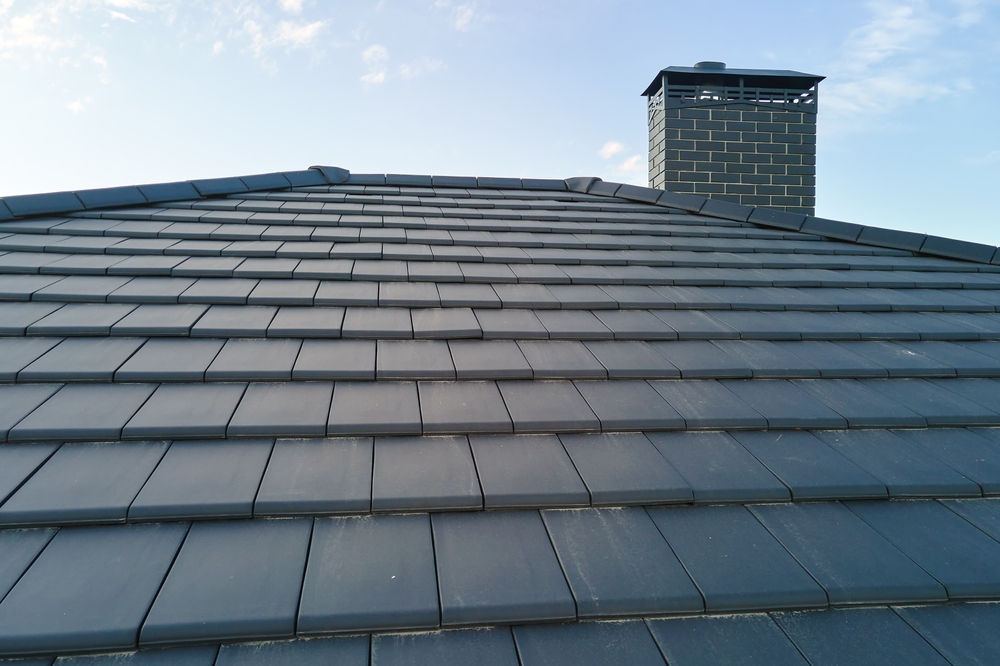
The inspection will also assess the condition of the roofing material itself. For tile roofs, which are extremely common in Parkland, the inspector looks for cracked, chipped, or missing tiles, as well as any signs that tiles have shifted out of alignment. For flat or low-slope roofs, the focus shifts to membrane integrity, ponding risk, and the condition of any coatings applied to protect against UV damage. Shingle roofs are evaluated for granule loss, curling edges, and nail pop-through, all of which can accelerate damage when winds pick up.

Attic ventilation and the condition of the roof deck are also reviewed during a thorough pre-season inspection. Poor ventilation traps heat and moisture, weakening the deck over time. If the deck has soft spots or signs of water damage, those areas are at serious risk of failure during a major storm event. Catching these issues in April or May means repairs can be completed well before any tropical system is even named.

The Real Cost of Skipping a Roof Inspection in Parkland

Some homeowners hesitate to schedule roofing inspections in Parkland, FL because they want to avoid the upfront cost. This thinking tends to backfire in a significant way. The cost of a professional inspection is a small fraction of what emergency repairs or full roof replacement will run after a hurricane passes through. Beyond the repair bills, there is the risk of interior damage to ceilings, walls, insulation, flooring, and personal belongings if a compromised roof fails during a storm.

Insurance is another major consideration. Florida’s homeowners insurance market has been volatile in recent years, and insurers are paying very close attention to roof condition. Many policies require roofs to be in good condition as a term of coverage. If a claim is filed after a storm and the insurer discovers the damage was worsened by pre-existing issues that were never addressed, coverage can be denied or reduced. Having documentation from a licensed Parkland roofing contractor showing a pre-season inspection was completed can protect your claim and demonstrate responsible maintenance.

There is also the matter of timing. Residential roofing contractors in Parkland are busiest immediately after a storm, when demand surges and scheduling becomes difficult. Materials can become scarce and prices can climb. Homeowners who schedule inspections and complete any needed repairs before hurricane season avoid all of that friction and gain peace of mind knowing their roof has been professionally evaluated and cleared.

Choosing the Right Parkland Roofing Contractor for the Job

Not all roofing inspections are created equal, and the value of a pre-season evaluation depends entirely on the thoroughness and qualifications of the contractor performing it. When looking for a Parkland roofing contractor to handle your hurricane season roof inspection, there are several important factors to keep in mind.

First, verify that the contractor holds a valid Florida roofing license and carries both general liability insurance and workers’ compensation coverage. Florida has some of the most specific licensing requirements in the country for roofing work, and hiring an unlicensed contractor creates serious liability exposure for the homeowner. Ask to see the license number and verify it through the Florida Department of Business and Professional Regulation before signing anything.

Experience with residential roofing in Parkland specifically is a meaningful advantage. Local contractors understand the typical construction styles in the area, are familiar with the building codes enforced by Broward County, and have direct experience with how local weather patterns affect different roofing systems. A contractor who has been working in the Parkland area for years will bring context that an out-of-town company simply cannot match.

Look for contractors who provide detailed written inspection reports rather than a verbal summary. A written report documents every finding, notes the severity of any issues, and provides a recommended course of action for each one. This documentation is valuable for insurance purposes, for tracking the condition of your roof over time, and for making informed decisions about repairs or maintenance. Be cautious of any inspector who pushes aggressively for immediate full replacement without giving you a clear explanation of the findings.

How to Prepare Your Home Alongside a Professional Inspection

A professional inspection is the cornerstone of pre-season preparation, but homeowners can also take steps of their own to support the process. Walking around the exterior of your home and noting any visible damage, such as missing tiles, sagging areas, or staining on exterior walls near the roofline, gives the inspector useful starting points. Taking photos of anything that looks unusual creates a baseline record that can be compared to future inspections.

Keeping gutters and downspouts clear is another practical measure. Clogged gutters cause water to back up under roofing materials, accelerating deterioration and creating entry points for moisture. Trimming trees and large branches that hang over the roof reduces the risk of impact damage during a storm and also limits the accumulation of debris that can trap moisture against the roof surface.

Reviewing your homeowners insurance policy before hurricane season and confirming that your roof coverage is current and adequate is a step many homeowners overlook until it is too late. Understanding your deductible, coverage limits, and any exclusions related to roof age or condition allows you to make informed decisions about what level of repairs or upgrades make financial sense before the season begins.

Conclusion

Scheduling roofing inspections in Parkland, FL before hurricane season is one of the smartest and most straightforward investments a homeowner can make. A qualified Parkland roofing contractor brings the expertise to identify vulnerabilities that are invisible from the ground, and addressing those issues before the storm season begins protects your home, your coverage, and your peace of mind. Residential roofing in Parkland is built to handle South Florida’s climate, but only when it is properly maintained. Do not wait for the first named storm of the season to find out your roof needed attention months ago.

Commercial Roofs in Florida: How Soft Cool Roofing Saves Money & Improves Building Performance

Florida’s intense sun and humid climate create unique challenges for commercial building owners. The state experiences some of the highest solar radiation levels in the nation, which means rooftops absorb tremendous amounts of heat throughout the year. This absorbed heat translates directly into higher cooling costs for businesses trying to maintain comfortable indoor environments. Soft cool roofing represents a proven solution that addresses these challenges while delivering significant financial and operational benefits.

Commercial cool roofing technology has evolved considerably over the past decade. The latest soft cool roofing installation methods combine advanced materials with proven application techniques to create highly reflective roof surfaces. These systems work by bouncing solar radiation away from buildings rather than absorbing it, fundamentally changing how commercial properties manage thermal loads. For Florida businesses operating in this demanding climate, understanding how soft cool roofing works and why it matters has become increasingly important.

Understanding Soft Cool Roofing Technology

Soft cool roofing differs from traditional roofing systems through its specialized reflective coatings and materials. These systems consist of flexible, elastomeric membranes that can accommodate building movement while maintaining superior reflectivity. The technology relies on high albedo values, meaning the roof surface reflects a significantly higher percentage of incoming solar radiation compared to conventional dark roofing materials.

Traditional commercial roofs in Florida typically feature dark membranes that absorb sunlight and convert it into heat. This creates a thermal effect where roof surfaces reach temperatures of 160 to 180 degrees Fahrenheit on clear days. Soft cool roofing systems, by contrast, remain considerably cooler because they reflect rather than absorb solar energy. This fundamental difference in performance makes an enormous impact on building energy consumption, especially in Florida’s relentless subtropical climate.

The installation process for soft cool roofing involves applying reflective coatings to existing roof membranes or installing new lightweight systems designed specifically for maximum reflectivity. The materials typically contain ceramic microspheres, reflective pigments, or other advanced compounds that enhance solar reflectance. Proper soft cool roofing installation requires specialized knowledge and attention to detail, as the effectiveness of the system depends on complete coverage and proper application techniques.

Energy Savings and Cost Reduction

The financial benefits of soft cool roofing for Florida commercial properties are substantial and measurable. Energy modeling studies consistently show that reflective roof systems reduce cooling costs by 20 to 30 percent, with some buildings experiencing even greater savings depending on their specific conditions. For a medium-sized commercial building in Florida, this translates into annual savings that quickly offset the initial investment in soft cool roofing installation.

Florida’s electrical rates rank among the highest in the nation, making energy efficiency a critical concern for business operators. When a building’s cooling system operates less intensively because the roof reflects heat, the entire HVAC system experiences reduced stress. This means lower electricity consumption, reduced peak demand charges, and decreased operating costs throughout the year. The savings accumulate month after month, year after year, creating a compelling return on investment.

Beyond direct energy savings, soft cool roofing reduces peak demand charges that many Florida commercial customers face. Utility companies charge premium rates during peak demand periods, and buildings with efficient roofing systems use less energy during these expensive hours. This dual benefit of reduced consumption and lower demand charges creates additional financial incentives for upgrading to commercial cool roofing systems.

Extending Roof Lifespan and Reducing Maintenance

Soft cool roofing systems extend the functional life of commercial roofing installations by protecting underlying membranes from the damaging effects of ultraviolet radiation and extreme heat cycling. In Florida’s harsh environment, where roofs face constant exposure to intense UV radiation, reflective coatings serve as a protective barrier that significantly slows material degradation.

The reduced surface temperatures achieved through soft cool roofing installation means less thermal stress on roofing materials. This lower thermal cycling reduces expansion and contraction cycles that cause premature cracking, membrane shrinkage, and seal failures. Building owners report that reflective roof systems maintain their integrity considerably longer than conventional dark roofing, delaying costly replacement projects and reducing maintenance expenses.

Regular maintenance requirements also decrease with soft cool roofing systems. The protective nature of reflective coatings means fewer UV-related failures and reduced deterioration of flashing and seals. Many Florida commercial property owners find they can extend maintenance intervals and reduce emergency repair calls when they upgrade to high-performance reflective roofing systems.

Environmental Benefits and Sustainability

Soft cool roofing contributes to reducing the urban heat island effect that plagues many Florida cities. When numerous buildings reflect solar radiation rather than absorb it, the cumulative effect moderates local ambient temperatures. This community-wide benefit reduces cooling demands across entire neighborhoods and districts, lowering overall energy consumption and associated carbon emissions.

The sustainability credentials of commercial cool roofing align with modern environmental standards and building certifications. Many LEED certified buildings in Florida incorporate soft cool roofing as part of their sustainability strategies. The reduced energy consumption directly translates into lower operational carbon footprints, helping businesses meet environmental commitments and appeal to environmentally conscious customers and investors.

Additionally, soft cool roofing reduces the cooling loads that would otherwise contribute to regional energy consumption patterns. This has meaningful implications for grid stability, particularly during peak summer months when Florida’s electrical infrastructure faces maximum strain. By reducing overall cooling demand, reflective roofing systems help stabilize the broader energy system.

Installation Considerations for Florida Properties

Successful soft cool roofing installation in Florida requires understanding local climate conditions and building-specific factors. Professional installation contractors must assess existing roof conditions, ensure proper substrate preparation, and apply reflective coatings or membranes according to manufacturer specifications. The salt spray environment in coastal Florida areas may require specialized coatings designed to withstand corrosive conditions.

Florida’s building codes and energy standards increasingly favor soft cool roofing systems. Many municipalities offer expedited permitting or incentive programs for businesses that install reflective roofing. Commercial property owners should work with experienced roofing contractors familiar with Florida-specific requirements and local ordinances governing roof installations.

The timing of soft cool roofing installation matters in Florida’s climate. Working during the dry season and avoiding installation during peak hurricane or thunderstorm periods ensures proper curing and application of reflective coatings. Professional installers understand these seasonal considerations and schedule projects accordingly to maximize system performance.

Choosing the Right Soft Cool Roofing System

Florida commercial property owners have several options when selecting soft cool roofing systems. Reflective coatings applied to existing membranes offer cost-effective upgrades that improve performance without complete roof replacement. Alternatively, new soft cool roofing membrane systems provide the highest performance when installed on structures nearing the end of their roofing life.

The choice between coating systems and full roof replacement depends on the condition of existing roofing, long-term property plans, and budget considerations. Experienced roofing professionals can evaluate these factors and recommend solutions that balance performance objectives with financial constraints. Working with qualified contractors ensures that soft cool roofing installation meets quality standards and delivers promised performance benefits.

Conclusion

Soft cool roofing represents a transformative technology for commercial buildings throughout Florida. By combining superior energy efficiency with extended roof lifespan and environmental benefits, reflective roofing systems deliver comprehensive value to business owners and property managers. The intense solar radiation and high cooling costs characteristic of Florida’s climate make commercial cool roofing an exceptionally practical investment.

The financial returns from soft cool roofing installation extend beyond simple energy savings. Reduced maintenance requirements, extended roof life, lower demand charges, and potential incentive programs combine to create attractive returns on investment. Environmental benefits add another layer of value, appealing to businesses seeking to enhance their sustainability profiles and reduce operational carbon footprints.

Florida commercial property owners exploring ways to improve building performance while reducing operating costs should seriously evaluate soft cool roofing systems. The technology is proven, the financial benefits are measurable, and the installation processes are well-established. By upgrading to reflective roofing systems, Florida businesses can enjoy cooler, more efficient buildings while maintaining a competitive edge through lower operational expenses.

Preparing Your Hollywood Roof for Spring Storms: Essential Checks for Homeowners

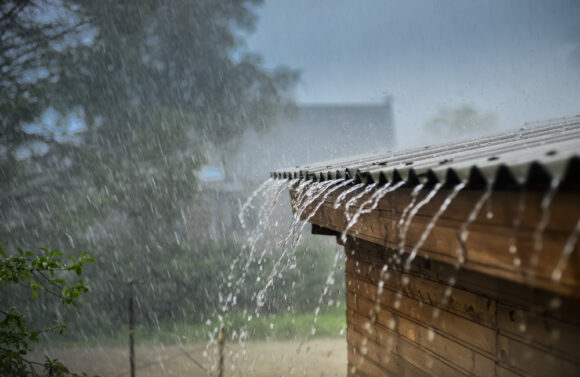
Rain,flows,down,from,a,roof,down

Spring in Hollywood, Florida brings warmer days, blooming landscapes, and unfortunately, unpredictable storms. Sudden downpours, high winds, and fast-moving storm cells are common across Broward County during this time of year. While many homeowners focus on hurricane preparation later in the season, spring storms can cause just as much frustration if your roof is not ready. A small crack, a loose tile, or minor flashing damage can quickly turn into a costly leak during heavy rain. That is why knowing how to prepare your roof for spring storms is critical for protecting your home and avoiding emergency repairs. With proper roof inspection in Hollywood, FL, and seasonal maintenance, you can move into storm season with confidence instead of concern.

Why Spring Storms in Broward County Demand Early Preparation

Hollywood’s climate presents unique roofing challenges. Sudden temperature shifts, high humidity, and strong wind gusts can stress roofing materials even before hurricane season begins. Spring storms often arrive with little warning, bringing heavy rain that tests every seam, tile, and shingle.

Many homeowners underestimate the damage that can occur during these shorter storm systems. Wind-driven rain can penetrate weak points, and debris can dislodge roofing materials that were already compromised. Once water finds a way inside, it can travel along decking and insulation before appearing as a visible ceiling stain.

Storm-ready roofing begins with proactive planning. Rather than waiting for visible damage, scheduling a roof inspection in Hollywood, FL early in the spring allows professionals to detect vulnerabilities before they escalate. Property managers overseeing multiple units in Broward County especially benefit from early inspections, as preventative maintenance reduces tenant disruptions and long-term repair costs.

Global Roofing Spec Inc. understands the urgency of spring preparation. Their inspection expertise focuses on identifying potential leak points and reinforcing vulnerable areas before sudden rains expose weaknesses.

Inspecting Shingles, Tiles, and Flat Roofing Systems

Roofing in Hollywood varies widely. Some homes feature traditional asphalt shingles, others rely on durable tile systems, and many commercial properties utilize flat roofing structures. Each system requires specific attention before storm season intensifies.

Shingle roofs should be examined for curling, lifting, or missing pieces. Even a single damaged shingle can create an entry point for wind-driven rain. Over time, Florida’s sun can weaken shingle integrity, making them more susceptible to wind damage during spring storms.

Tile roofing, while known for durability, is not immune to problems. Cracked or shifted tiles can allow water infiltration beneath the surface. Because tile roofs often conceal underlying moisture issues, professional evaluation is essential.

Flat roofing systems present different concerns. Drainage plays a critical role in preventing water pooling. Clogged drains or slight depressions can lead to standing water, increasing the risk of leaks. Ensuring that membranes remain intact and seams are properly sealed is vital for storm-ready roofing on commercial and multi-family properties.

Global Roofing Spec Inc. brings expertise in shingle, tile, and flat roofing repairs. Their comprehensive inspections go beyond surface-level observations, addressing structural components and potential leak sources specific to each roofing type.

Clearing Debris and Strengthening Drainage Systems

One of the simplest yet most overlooked aspects of how to prepare your roof for spring storms involves debris removal. Leaves, branches, and dirt accumulation can trap moisture and obstruct proper drainage.

In Hollywood’s subtropical climate, organic debris breaks down quickly and creates additional weight on roofing surfaces. Blocked gutters prevent water from flowing away from the structure, increasing the likelihood of overflow and fascia damage. Water that backs up beneath roofing materials can lead to interior leaks and mold growth.

Professional roof inspection in Hollywood, FL, often includes evaluating gutter systems and drainage components. Ensuring that downspouts direct water safely away from the foundation protects not only the roof but the entire property.

Global Roofing Spec Inc. incorporates drainage assessments into their seasonal maintenance programs. By addressing minor buildup before storms intensify, homeowners reduce the risk of water-related damage during sudden spring downpours.

Addressing Small Repairs Before They Become Emergencies

Small issues rarely remain small once heavy rain begins. A minor crack in flashing or a slightly lifted shingle may seem insignificant on a dry day. However, during intense wind and rain, these weaknesses can quickly expand.

Emergency roof repair often costs significantly more than preventative maintenance. When water enters the home, it can damage ceilings, insulation, and interior finishes. In rental properties, this may lead to tenant displacement or additional liability concerns.

Storm-ready roofing means resolving these minor issues early. A professional inspection can identify loose fasteners, worn sealants, or compromised flashing around vents and chimneys. Addressing these details ensures your roof performs as intended when storms arrive.

Global Roofing Spec Inc. is prepared for emergency repair readiness and fast response services. However, their goal is always prevention first. Through thorough inspections and timely maintenance, they help homeowners avoid last-minute crises during peak storm periods.

The Value of Seasonal Maintenance Programs

Routine maintenance is one of the most effective ways to extend roof lifespan and reduce repair expenses. In Broward County, where weather conditions fluctuate frequently, seasonal checkups provide added reassurance.

Global Roofing Spec Inc. offers seasonal maintenance programs designed to keep roofs in optimal condition year-round. These programs include detailed inspections, minor repair adjustments, and reinforcement of vulnerable areas. By scheduling regular evaluations, homeowners stay ahead of potential storm damage.

For property managers overseeing multi-unit buildings, consistent maintenance simplifies budgeting and planning. Rather than reacting to emergency calls after heavy rain, proactive service reduces unexpected disruptions.

Understanding how to prepare your roof for spring storms goes beyond a one-time inspection. It requires ongoing attention to material integrity, drainage performance, and structural strength. With expert guidance, homeowners can protect their investment while ensuring long-term durability.

In Hollywood and throughout Broward County, spring storms are inevitable. However, roof damage does not have to be. By scheduling a professional roof inspection in Hollywood, FL, addressing small repairs promptly, and investing in seasonal maintenance, you create a foundation of protection before severe weather strikes.

Global Roofing Spec Inc. combines inspection expertise, repair experience across shingle, tile, and flat systems, and fast emergency response services to support homeowners when they need it most. Preparing early ensures that when the next sudden storm rolls through Hollywood, your roof stands strong, keeping your home safe and dry.

How Upgrading Your Commercial Roof Boosts Property Value and Reduces Costs

Commercial buildings are substantial investments, and maintaining their condition is essential for long-term profitability. One of the most overlooked components that significantly influences a property’s market value is the roof. While it may not be as visually prominent as the facade or landscaping, a roof plays a crucial role in structural integrity, energy efficiency, and even aesthetic appeal. Upgrading a commercial roof can deliver substantial gains in property valuation, often translating into higher resale or lease prices.

Potential buyers or tenants evaluate a building based on functionality, safety, and maintenance demands. A deteriorating or outdated roof can trigger concerns about hidden costs and future repairs. Conversely, a newly installed or upgraded roof signals reliability and reduced risk, adding to a property’s desirability. Modern roofing systems also tend to align with current building codes and environmental regulations, further enhancing the building’s market profile.

Investors and property managers recognize that a roof upgrade is more than just a structural necessity. It is a strategic enhancement that adds tangible value and appeal to any commercial asset. In competitive markets, properties with upgraded commercial roofing stand out and often command a premium.

Lowering Long-Term Operating Costs

While the upfront price of a commercial roof replacement may seem steep, it is essential to view the expense through the lens of long-term return. One of the clearest benefits of an upgraded roofing system is roof replacement cost savings. This includes both direct and indirect reductions in operating costs over time.

New roofing materials and technologies provide superior insulation and reflectivity, which help regulate interior temperatures. This reduces the strain on HVAC systems, leading to lower energy bills year-round. Additionally, upgraded roofing systems often require less maintenance, which can significantly cut down on routine service expenses. Modern materials are engineered to resist weathering, leaks, and environmental stressors, minimizing the need for frequent patching or repair.

Upgrading also means fewer emergency repair costs. Older roofs are more prone to sudden failures during storms or harsh weather, which can disrupt business operations and require costly urgent services. With a modern, durable roof in place, these risks and expenses are dramatically reduced.

Over time, these savings compound. Businesses that prioritize infrastructure improvements enjoy better cost control and improved budgeting predictability. When assessing the commercial roofing ROI, long-term savings in energy, repairs, and operations must be part of the calculation.

Enhancing Energy Efficiency and Sustainability

The environmental performance of commercial buildings is becoming a more prominent factor in property valuation and tenant appeal. With energy codes becoming stricter and businesses seeking ways to lower their carbon footprint, energy-efficient roofing solutions are in high demand. Investing in an upgraded roofing system provides immediate and measurable benefits in this area.

Cool roofing materials, which reflect more sunlight and absorb less heat, are designed to reduce the urban heat island effect. These materials lower roof surface temperatures, which helps maintain a more consistent indoor environment and reduces cooling costs. Similarly, roofing systems that integrate insulation layers enhance thermal resistance and reduce air leakage, making HVAC systems operate more efficiently.

Green certifications such as LEED (Leadership in Energy and Environmental Design) often factor into commercial real estate appraisals. A new roof that improves a building’s sustainability profile can help earn or maintain such certifications. This adds credibility to the property and may attract environmentally conscious tenants who are willing to pay a premium for eco-friendly spaces.

Moreover, sustainable roofing options can include features like solar panel integration, rainwater collection systems, and vegetative roofs, further enhancing the building’s performance and value. These innovations not only reduce operating costs but also align with broader environmental goals, contributing positively to a company’s public image.

Boosting Tenant Satisfaction and Occupancy Rates

The condition and quality of a commercial building’s roof have a direct impact on the comfort and satisfaction of its occupants. Leaks, poor temperature regulation, and noise intrusion caused by outdated or damaged roofing materials can all degrade the tenant experience. As a result, properties with inferior roofing systems may struggle with higher turnover rates and longer vacancy periods.

Upgrading a commercial roof helps mitigate these issues. New roofing materials offer improved insulation against both temperature and sound, creating a more comfortable indoor environment. Tenants are more likely to renew leases or sign new ones when they feel confident in the building’s infrastructure. A well-maintained and modern roof demonstrates that the property owner invests in quality, which builds trust and fosters long-term tenant relationships.

Satisfied tenants are not only more likely to stay longer but are also more likely to recommend the property to others. This word-of-mouth promotion can reduce marketing costs and shorten the time needed to fill vacancies. Higher tenant retention and consistent occupancy directly contribute to revenue stability, which in turn enhances the overall commercial roofing ROI.

From a leasing perspective, an upgraded roof can justify higher rental rates. Prospective tenants recognize the value of infrastructure improvements, especially when they result in lower utility bills and a safer, more comfortable work environment. In competitive markets, having a modern, energy-efficient roof can be a decisive factor in attracting top-tier tenants.

Protecting the Building’s Structural Integrity

A commercial roof is more than just a surface that shields the interior from rain or sun. It plays a critical role in protecting the structural integrity of the entire building. Water intrusion due to leaks can compromise walls, ceilings, insulation, and even foundational elements. Mold growth, corrosion, and structural weakening are just some of the expensive consequences of a neglected or aging roof.

Upgrading your roof mitigates these risks by incorporating advanced waterproofing technologies, better drainage designs, and high-performance materials that withstand extreme weather conditions. A properly designed and installed roof prevents the accumulation of water and redirects moisture away from vulnerable parts of the structure. This proactive protection extends the life of the building and avoids the substantial costs associated with major structural repairs.

In insurance evaluations, a new roof can reduce premiums due to its lower risk profile. Insurers view upgraded roofing systems as a sign of responsible property management, which can result in more favorable coverage terms. This further contributes to roof replacement cost savings and adds another layer of financial return on investment.

In the long run, preserving the structural health of a commercial building ensures its usability, safety, and compliance with building codes. These benefits maintain or even increase the resale value of the property, offering additional assurance to potential buyers and investors.

Conclusion

Investing in a commercial roof upgrade is a strategic decision with far-reaching implications. It is not merely about replacing old materials with new ones. It is about enhancing property value, reducing long-term operating costs, improving energy efficiency, elevating tenant satisfaction, and safeguarding the building’s structure. Each of these benefits contributes to a stronger commercial roofing ROI and helps future-proof your investment.

The return is both immediate and long-term. Energy savings, insurance reductions, increased occupancy, and lower maintenance costs begin to add up right away. Over time, these advantages compound, positioning your property as a high-performing, low-risk asset in the marketplace.

Whether you are preparing a building for sale, aiming to attract better tenants, or simply seeking to lower your operational expenses, upgrading the commercial roof offers a reliable and cost-effective path forward. By understanding the full scope of benefits and taking action, property owners can turn their roof into a powerful asset rather than a silent liability.