

What Fort Lauderdale Property Owners Should Know About South Florida Roofing Challenges
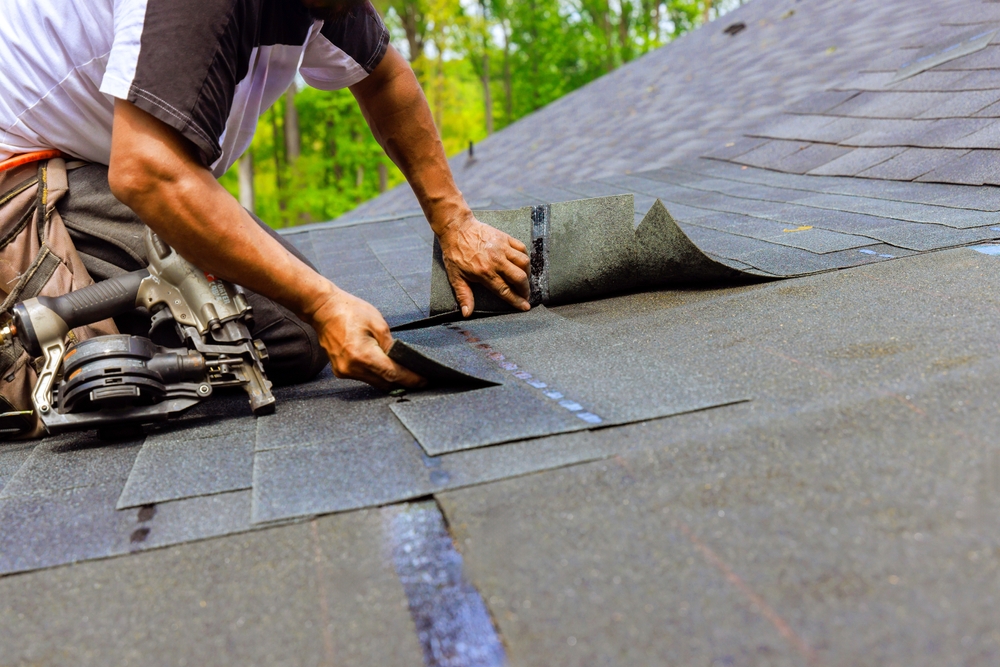
Owning property in Fort Lauderdale means dealing with roofing conditions that are very different from those in much of the country. Intense sun, tropical downpours, high humidity, salt-laden coastal air, and hurricane-season winds can all accelerate wear and expose small roofing problems before property owners realize they exist.
Quick answer: South Florida roofs need to withstand repeated heat, moisture, wind, and heavy rain rather than just one isolated weather threat. Property owners should pay particular attention to drainage, flashing, roof penetrations, loose or deteriorated materials, moisture intrusion, and storm-related damage. Regular roof inspections and repairs can help prevent minor defects from turning into leaks, damaged decking, interior water problems, or larger roofing projects.
What local property owners should know
-
Heavy South Florida rain can expose weak flashing, clogged drainage points, deteriorated seams, and small roof openings quickly.
-
Broward County properties must also be prepared for tropical storms and hurricanes that can subject roofing materials to significant wind uplift and wind-driven rain.
-
Coastal neighborhoods such as Harbor Beach, Las Olas Isles, and Lauderdale-by-the-Sea may experience additional exposure to salty, humid air.
-
Flat and low-slope roofing systems common on commercial properties require especially careful attention to drainage and ponding water.
-
Roof problems are easier to address when they are identified before hurricane season or prolonged periods of summer rainfall.
Why Roofing Challenges Are Different in Fort Lauderdale
Roofing challenges in Fort Lauderdale are different because properties face heat, humidity, heavy rainfall, coastal conditions, and tropical weather within the same climate. Instead of protecting a building from one dominant seasonal hazard, the roof must perform through repeated cycles of intense sun, moisture, wind, and sudden storms.
South Florida’s climate puts roofing assemblies under nearly year-round environmental stress. Strong sunlight can gradually age exposed roofing materials and sealants. Afternoon thunderstorms can deliver substantial rainfall in a short period, while humid conditions can make moisture problems more difficult to dry out once water reaches vulnerable areas.
Hurricane season adds another consideration. The City of Fort Lauderdale identifies high winds, intense rainfall, flooding, and wind-borne debris among the hazards associated with hurricanes. Broward County also emphasizes that stronger hurricanes can cause significant damage to roofing materials.
Global Roofing Spec Inc serves property owners dealing with these South Florida roofing conditions. We focus on helping owners understand what their roof is experiencing, where problems may be developing, and which roofing solution is appropriate for the property.
Local Roofing Conditions We Commonly Watch
The most important local roofing conditions are water management, material deterioration, wind vulnerability, and heat exposure. These conditions can overlap, which means a roof that appears acceptable from the ground may still have developing issues around drainage areas, penetrations, flashing, seams, or attachment points.
Fort Lauderdale’s own historic preservation roofing guidance identifies standing water and poor drainage as typical problems for low-slope roofs. It also notes that asphalt shingles can become brittle, lose mineral coating, curl, or become dislodged by hurricane-strength winds over time.
For properties around Downtown Fort Lauderdale, Victoria Park, Coral Ridge, Rio Vista, and the Intracoastal Waterway, building design also matters. A steep-slope residential roof, a condominium roof, and a large commercial low-slope system can experience the same storm differently. Roofing evaluations therefore need to consider the actual assembly rather than weather conditions alone.
How South Florida Conditions Affect Your Roof
South Florida conditions affect roofs by accelerating wear and repeatedly testing areas where water or wind can enter. Heat can age exposed materials, heavy rain tests drainage and waterproofing, and high winds can exploit loose components or vulnerable edges.
Leaks are not the only possible result. Moisture can affect roof decking, insulation, ceilings, wall finishes, and other building components. On commercial properties, roofing problems may also disrupt tenants, employees, inventory, equipment, or normal business operations.
Coastal exposure deserves attention as well. Properties near Fort Lauderdale Beach, Port Everglades, and the Intracoastal are routinely exposed to humid marine air. Metal components, fasteners, flashings, rooftop equipment connections, and other exposed details should be evaluated as part of a complete roofing assessment.
Warning Signs Fort Lauderdale Property Owners Should Watch For
Roofing warning signs often appear as changes in drainage, materials, ceilings, or rooftop components before a major failure occurs. Property owners should investigate visible changes promptly, especially following severe rain or high winds.
Watch for:
-
Missing, lifted, cracked, curling, or visibly damaged shingles.
-
Water stains or discoloration on ceilings and interior walls.
-
Ponding or slow-draining water on flat and low-slope roofing.
-
Cracked, separated, or deteriorated flashing around penetrations.
-
Loose roofing material near edges, corners, vents, or rooftop equipment.
-
Bubbling, blistering, splitting, or open seams on membrane roofing.
-
Debris accumulating around drains, scuppers, valleys, or gutters.
-
New interior moisture following a South Florida thunderstorm or tropical weather event.
A single symptom does not automatically mean an entire roof requires replacement. It does mean the source should be identified before additional rainfall makes the condition harder or more expensive to address.
When Should You Call a Roofing Professional?
You should call a roofing professional when you see active leakage, storm damage, loose roofing materials, persistent ponding, deteriorated flashing, damaged membranes, or unexplained interior moisture. Professional evaluation is also appropriate when the roof cannot be safely inspected from the ground.
Property owners can perform simple visual checks from a safe location and keep gutters or accessible drainage areas clear when doing so does not require climbing onto the roof.
Roof walking should generally be left to trained professionals. Roofing surfaces can be slippery after rain, and stepping on already weakened materials may cause additional damage.
After major weather passes through Broward County, an evaluation can also help determine whether apparently minor damage has affected waterproofing or other roof components.
Common Causes of Roofing Problems in South Florida
The most common South Florida roofing problems are caused by water, ultraviolet exposure, wind, drainage deficiencies, aging materials, and vulnerable roof details. The combination matters because one condition can make the roof more susceptible to another.
1. Heavy rainfall and drainage problems: Tropical downpours can overwhelm poorly maintained drainage areas. On low-slope roofs, clogged drains or inadequate drainage can allow water to remain on the roof longer than intended.
2. Wind and wind-driven rain: Tropical storms do not need to remove an entire roof to create problems. Wind can affect edges, shingles, flashing, membranes, and penetrations while driving rain into small openings.
3. Intense sunlight and heat: Prolonged exposure can contribute to deterioration of coatings, sealants, membranes, shingles, and other materials.
4. Aging flashing and penetrations: Vents, curbs, pipes, skylights, rooftop equipment, and transitions are frequent areas of concern because they interrupt the primary roof surface.
5. Coastal environmental exposure: Moisture and salt exposure can affect certain roofing components, particularly exposed metal details.
How to Maintain a Roof in Fort Lauderdale
The best roofing maintenance in Fort Lauderdale focuses on drainage, early damage detection, storm preparation, and prompt repair. A practical schedule includes checks before hurricane season, after significant storms, and whenever interior moisture or visible exterior damage appears.
Keep gutters, scuppers, and accessible drainage areas free of leaves and debris. Watch for tree limbs rubbing against the roof or depositing organic material. From the ground, look for displaced shingles, damaged edges, unusual roof surfaces, or debris following strong winds.
For commercial and low-slope systems, drainage deserves particular attention because standing water may indicate that drains are blocked or the roofing system has developed another problem.
Do not rely on temporary sealants as a permanent solution to an unidentified leak. A patch may hide symptoms without resolving damaged flashing, membrane failure, wet insulation, or another underlying cause.
What Results Can Professional Roofing Service Provide?
Professional roofing service should identify the source and extent of a problem before recommending an appropriate repair or replacement strategy. Depending on roof condition, the solution may involve localized repair, flashing work, drainage correction, damaged-material replacement, maintenance, or a broader reroofing project.
The goal is not automatically to replace every roof showing wear. A useful evaluation distinguishes isolated defects from widespread deterioration.
If reroofing is appropriate, permitting must also be considered. The City of Fort Lauderdale lists reroofing as a structural permit category, and its Building Services division handles permits and inspections intended to ensure work complies with the Florida Building Code and applicable local requirements.
Common Roofing Mistakes South Florida Property Owners Make
Common roofing mistakes usually involve waiting too long, treating symptoms instead of causes, or overlooking drainage and storm exposure. A better approach is to investigate changes early and make decisions based on the condition of the complete roofing system.
Mistake: Ignoring a small ceiling stain.
Consequence: Additional rain may allow more moisture into the same vulnerable area.
Better approach: Determine the source before the next extended period of wet weather.
Mistake: Assuming a roof is fine because no shingles are on the ground.
Consequence: Flashing, seams, edges, and penetrations can still sustain storm damage.
Better approach: Check the overall roof after significant local wind events.
Mistake: Allowing water to remain on a low-slope roof.
Consequence: Persistent drainage problems can increase stress on vulnerable roofing areas.
Better approach: Identify why water is not draining properly.
Mistake: Waiting until a tropical system is approaching to address known problems.
Consequence: Repair scheduling and preparation become more difficult.
Better approach: Address known deficiencies before hurricane season becomes active.
A Common Fort Lauderdale Roofing Scenario
A common Fort Lauderdale roofing scenario begins with a property that appears normal during dry weather but develops a ceiling stain after several heavy thunderstorms. The owner may initially assume the problem is minor because water only appears during unusually strong rain.
An inspection may reveal that the issue is concentrated around flashing, a roof penetration, damaged material, or a drainage area rather than across the entire roof.
That distinction matters. Finding the actual entry point allows the property owner to evaluate an appropriate repair instead of repeatedly covering interior damage while the source remains unresolved.
Roofing Solutions for Local Properties
Roofing solutions should address the specific system, building, and cause of deterioration rather than applying the same repair to every property. Services may include roof inspections, leak investigation, maintenance, repairs, reroofing, and assessment of storm-related damage depending on the property’s needs.
We can evaluate roof surfaces, drainage areas, flashing, penetrations, visible storm damage, and other accessible components to help determine the appropriate next step.
Repair or Replacement: Which Option Makes Sense?
Roof repair is generally more appropriate for isolated, serviceable defects, while replacement becomes more reasonable when deterioration is widespread or the existing system can no longer be repaired effectively. The right decision depends on condition, material, damage extent, moisture involvement, and the building itself.
A localized flashing problem may not justify replacing an otherwise functional roof. Conversely, repeated repairs across multiple areas can indicate that the problem is no longer isolated.
South Florida weather should also influence timing. Completing necessary work before periods of frequent storms can reduce the chance that an existing deficiency becomes a more disruptive leak.
Areas We Serve Around Fort Lauderdale
We help property owners in Fort Lauderdale and surrounding South Florida communities evaluate roofing needs created by the region’s demanding climate. Nearby areas may include Oakland Park, Wilton Manors, Plantation, Davie, Hollywood, and other communities throughout Broward County.
Local building type, coastal proximity, roofing system, and property condition should all be considered when planning service.
What Can Happen If Roofing Problems Are Ignored?
Ignoring a roofing problem can allow moisture and deterioration to spread beyond the original defect. What begins as damaged flashing, an open seam, a loose shingle, or a drainage problem may eventually affect insulation, decking, ceilings, walls, or occupied spaces.
The concern is especially relevant during South Florida’s rainy periods because a vulnerable location can be tested repeatedly within a short time.
Early investigation gives property owners more information and often more options. Waiting until active water is entering the property can turn a manageable roofing issue into a more disruptive project.
Frequently Asked Questions About Fort Lauderdale Roofing
How often should a roof be inspected in Fort Lauderdale?
A roof should be checked periodically and after significant storms, with the exact schedule depending on its age, material, condition, and building type. South Florida’s frequent rain, intense sun, and tropical-weather exposure make regular observation valuable because small drainage, flashing, or material problems can worsen between major weather events.
What roofing problems are common during Fort Lauderdale’s rainy season?
Leaks, drainage problems, ponding water, compromised flashing, and moisture entering around roof penetrations are common concerns during periods of frequent heavy rain. Rain may not create the original roofing defect, but repeated downpours can reveal weak areas that remained unnoticed during extended dry conditions.
Can hurricane winds damage a roof without removing roofing material?
Yes. Hurricane and tropical-storm winds can affect roof edges, flashing, shingles, membranes, fasteners, and penetrations without creating dramatic visible damage. Wind-driven rain may also enter relatively small openings. Broward County property owners should therefore look beyond obvious missing roofing materials when evaluating a roof after severe weather.
Are flat roofs common roofing concerns in South Florida?
Yes. Flat and low-slope roofing systems require reliable waterproofing and drainage because they do not shed water as quickly as steeply pitched roofs. Fort Lauderdale’s historic roofing guidance specifically identifies standing water and poor drainage among typical localized problems for low-slope roofing systems.
Do I need a permit to reroof a property in Fort Lauderdale?
Reroofing is listed by the City of Fort Lauderdale as a structural permit category. Permit requirements can depend on the work being performed and the property involved, so owners should verify the current requirements with the city’s Development Services Department before work begins.
Does living near the Fort Lauderdale coast affect roofing maintenance?
Coastal conditions can influence roofing maintenance because humid, salt-laden air may increase environmental exposure for metal components and other exterior materials. Owners near Fort Lauderdale Beach, the Intracoastal, and neighboring coastal communities should pay particular attention to flashing, fasteners, rooftop equipment connections, drainage, and other exposed details.
Should I inspect my roof before hurricane season in Broward County?
Yes. Checking the roof before hurricane season gives property owners an opportunity to identify loose materials, drainage problems, deteriorated flashing, and known leaks before severe weather arrives. Broward County maintains hurricane preparedness resources specifically because high winds and heavy rainfall can significantly affect local buildings and roofing systems.
Is a roof leak always a sign that I need a complete replacement?
No. A roof leak can result from an isolated problem such as damaged flashing, a failed penetration, an open seam, displaced roofing material, or another localized defect. The condition and extent of the entire roofing system should be evaluated before deciding between repair and replacement.
South Florida roofs have a demanding job. For local property owners, the best approach is to recognize the combined effects of sun, humidity, rain, wind, drainage, and coastal exposure and address developing problems before severe weather makes them harder to manage.
Protect Your Fort Lauderdale Property From the Next Roofing Problem
A timely roofing evaluation can help you understand the condition of your roof and make informed repair or replacement decisions before minor vulnerabilities become larger problems.