When it comes to energy efficiency in Florida, the roofing system plays a crucial role. The state’s hot and humid climate makes it essential to have roofing solutions that not only protect your home but also help in saving on energy costs. This article will guide you through the various aspects of energy-efficient roofing in Hollywood, FL, and how you can make the most out of these solutions to enhance comfort and cut down on expenses.
Understanding Energy-Efficient Roofing
What is Energy-Efficient Roofing?
Energy-efficient roofing refers to roofing materials and techniques designed to improve a home’s insulation and reflectivity. These roofs are engineered to reduce heat transfer, which can help keep indoor temperatures stable and lower cooling costs.
Benefits of Energy-Efficient Roofing
Cost Savings: By reducing the need for excessive air conditioning, energy-efficient roofing can significantly cut down on your monthly utility bills.
Improved Comfort: These roofs help maintain a more consistent indoor temperature, making your home more comfortable year-round.
Environmental Impact: Lower energy consumption means fewer carbon emissions, contributing to a more sustainable environment.
Increased Property Value: Energy-efficient features can boost the resale value of your home, making it a more attractive investment.
Key Roofing Solutions for Energy Efficiency in Florida
Cool Roofing
Cool roofing is one of the most popular energy-efficient roofing solutions. It involves using materials that reflect more sunlight and absorb less heat compared to standard roofing materials.
Reflective Coatings: These are applied to existing roofs to enhance their reflectivity. They can be especially effective for older roofs that need an upgrade.
Cool Roof Shingles: Made from materials like asphalt or metal with reflective properties, these shingles help in maintaining a cooler indoor environment.
Insulated Roofing Systems
Proper insulation is crucial for maintaining energy efficiency. Insulated roofing systems are designed to provide superior thermal performance.
Spray Foam Insulation: This type of insulation creates a seamless barrier that can help prevent heat transfer through the roof.
Polyiso Panels: These panels are installed beneath the roofing material to enhance insulation and reduce heat flow.
Metal Roofing
Metal roofs are a great choice for Florida’s climate due to their durability and energy efficiency.
Reflective Metal Roofs: Metal roofing systems with reflective coatings can reflect solar energy, reducing heat absorption and cooling costs.
Long-Term Durability: Metal roofs are resistant to harsh weather conditions, which means they maintain their energy-efficient properties over time.
Green Roofing
Green roofs, or living roofs, incorporate vegetation to improve energy efficiency.
Vegetated Roof Systems: These roofs feature a layer of plants and soil that provide insulation and reduce heat absorption.
Benefits: Green roofs also help in managing stormwater, improving air quality, and enhancing the aesthetic appeal of your property.
Choosing the Right Roofing Solution in Hollywood, FL
Assessing Your Home’s Needs
To choose the best energy-efficient roofing solution, consider the following factors:
Current Roofing Condition: Determine whether your existing roof requires repairs or a complete replacement.
Insulation Needs: Evaluate the current insulation levels in your home and decide if additional insulation is needed.
Climate Considerations: Take into account the specific weather patterns in Hollywood, FL, to select a roofing material that performs well in hot and humid conditions.
Consulting with Professionals
Engaging with roofing experts in Hollywood, FL, can help you make an informed decision. They can provide insights into the best materials and installation techniques suited for your home.
Roofing Contractors: Look for experienced contractors who specialize in energy-efficient roofing solutions.
Energy Audits: Professionals can conduct energy audits to identify areas where your home’s energy efficiency can be improved.
Installation and Maintenance Tips
Proper Installation
The effectiveness of energy-efficient roofing solutions largely depends on proper installation.
Follow Manufacturer Guidelines: Ensure that the roofing materials are installed according to the manufacturer’s specifications.
Professional Installation: Hiring experienced contractors ensures that the installation is done correctly, maximizing the benefits of the roofing solution.
Regular Maintenance
Maintaining your energy-efficient roof is crucial for its longevity and performance.
Inspect Regularly: Schedule regular inspections to identify and address any issues early.
Clean the Roof: Keep the roof clean from debris and contaminants that can affect its efficiency.
Repair as Needed: Address any damage or wear promptly to ensure the roof continues to perform at its best.
Cost Considerations
Initial Investment
Energy-efficient roofing solutions often come with a higher initial cost compared to traditional roofing. However, the long-term savings on energy bills can offset these costs.
Return on Investment
Consider the following when evaluating the return on investment:
Energy Savings: Calculate the potential savings on your utility bills to determine how quickly the investment will pay off.
Increased Property Value: Assess how the energy-efficient roofing may enhance the resale value of your home.
Conclusion
Maximizing energy efficiency with roofing solutions in Florida is not only beneficial for your wallet but also for the environment. By choosing the right roofing materials and ensuring proper installation and maintenance, you can enjoy a more comfortable home while saving on energy costs. If you’re looking for energy-efficient roofing in Hollywood, FL, take the time to explore your options and consult with professionals to make the best choice for your home.
Need Roofing Services Near You?
Our team here at Global Roofing Spec Inc. offers top-notch residential and commercial roofing services you can rely on. Whether you need a new roof installation, maintenance, or repair, our team of experts ensures high-quality results and customer satisfaction. Trust us to protect your property with durable and efficient roofing solutions. Contact us today for all your roofing needs!
Choosing the right roofing materials for Florida’s climate is crucial for ensuring the longevity and performance of your roof. With its hot and humid weather, frequent rain, and occasional hurricanes, Florida presents unique challenges for homeowners when selecting roofing materials. This guide will help you understand the key factors to consider and the best roofing options for Florida’s demanding conditions.
Florida’s Climate
Florida’s climate is characterized by high humidity, intense heat, and heavy rainfall. The state experiences frequent afternoon thunderstorms and hurricanes, which can lead to high winds and heavy downpours. Additionally, Florida’s UV index is often high, leading to accelerated wear and tear on roofing materials. Therefore, when choosing roofing materials, it’s essential to select options that can withstand these environmental factors.
Heat and UV Exposure
The intense Florida sun can cause roofing materials to degrade faster than in cooler climates. Materials need to be resistant to UV rays to prevent premature aging and deterioration. Roofing materials with high reflectivity can help reduce heat absorption and keep your home cooler.
Humidity and Rainfall
Florida’s high humidity and frequent rainfall can lead to mold, mildew, and algae growth on roofing materials. It’s crucial to choose materials that are resistant to these issues to maintain the integrity of your roof and avoid costly repairs.
Wind and Storm Resistance
Hurricanes and severe storms are common in Florida. Roofing materials must be able to withstand high winds and heavy rain. Look for materials that are tested for wind resistance and have a good track record in storm-prone areas.
Best Roofing Materials for Florida’s Climate
Metal Roofing
Metal roofing is a popular choice in Florida due to its durability and resistance to extreme weather conditions. Made from materials like aluminum or steel, metal roofs can withstand high winds, heavy rain, and intense heat. They are also resistant to fire and insect damage. Additionally, metal roofing reflects sunlight, which helps to reduce cooling costs.
Advantages of Metal Roofing
Durability: Can last 40-70 years with minimal maintenance.
Weather Resistance: Handles high winds, heavy rain, and UV exposure well.
Energy Efficiency: Reflects sunlight, reducing cooling costs.
Disadvantages of Metal Roofing
Cost: Generally more expensive than asphalt shingles.
Noise: Can be noisy during heavy rain or hail unless insulated properly.
Asphalt Shingles
Asphalt shingles are a common roofing material due to their affordability and ease of installation. They are available in various styles and colors, making them a versatile option for many homes. Modern asphalt shingles are designed to be more durable and resistant to Florida’s climate challenges.
Advantages of Asphalt Shingles
Cost-Effective: Generally less expensive than other roofing materials.
Variety: Available in many styles and colors.
Ease of Installation: Relatively quick and simple to install.
Disadvantages of Asphalt Shingles
Lifespan: Typically last 15-30 years, which is shorter compared to metal roofing.
Susceptibility to Algae: Can develop algae stains in humid conditions unless treated.
Tile Roofing
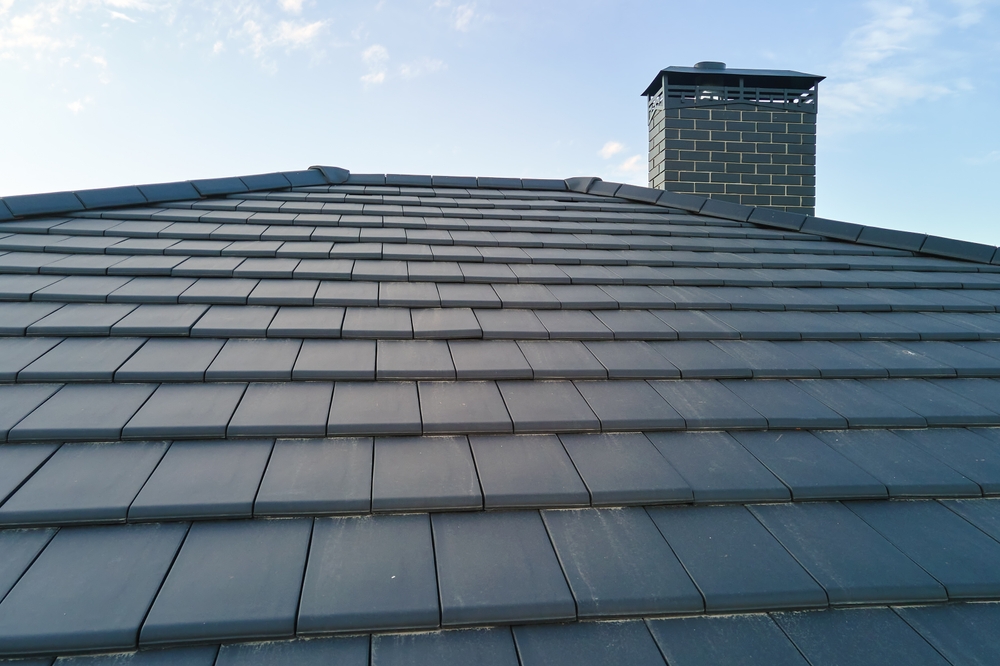
Tile roofing, including clay and concrete tiles, is well-suited for Florida’s climate due to its durability and resistance to heat. Tile roofs are also resistant to wind and fire. They are known for their aesthetic appeal and can enhance the curb appeal of your home.
Advantages of Tile Roofing
Longevity: Can last 50-100 years or more with proper maintenance.
Heat Resistance: Excellent at reflecting heat, keeping your home cooler.
Wind Resistance: Withstands high winds well.
Disadvantages of Tile Roofing
Weight: Heavier than other materials, requiring additional structural support.
Cost: Generally more expensive than asphalt shingles.
Synthetic Roofing Materials
Synthetic roofing materials, such as rubber or polymer shingles, are designed to mimic the look of traditional materials like wood or slate while offering enhanced durability. These materials are engineered to withstand Florida’s harsh weather conditions and provide a longer lifespan.
Advantages of Synthetic Roofing Materials
Durability: Can last 30-50 years or more.
Lightweight: Easier to handle and install compared to traditional materials.
Resistance: Good resistance to UV rays, wind, and moisture.
Disadvantages of Synthetic Roofing Materials
Cost: Can be more expensive than asphalt shingles.
Variety: Fewer color and style options compared to traditional materials.
Considerations for Choosing Roofing Materials
When selecting roofing materials for your Florida home, consider the following factors:
Budget
Determine your budget and weigh it against the lifespan and durability of different materials. While higher-end options like metal or tile roofing might have a higher upfront cost, they can offer better long-term value due to their durability.
Aesthetics
Choose a roofing material that complements the architectural style of your home. Different materials offer various colors and styles, allowing you to enhance your home’s curb appeal.
Maintenance
Consider the maintenance requirements of each roofing material. Some materials, like asphalt shingles, may require more frequent upkeep, while others, like metal or tile, may be more low-maintenance.
Installation
Ensure that the roofing material you choose can be installed properly by local contractors. Some materials may require specialized installation techniques or additional structural support.
Conclusion
Selecting the right roofing materials for Florida’s climate involves balancing durability, cost, and aesthetics. Metal roofing, asphalt shingles, tile roofing, and synthetic materials each offer unique benefits and drawbacks. By understanding Florida’s climate and considering your specific needs, you can make an informed decision and choose roofing materials that will provide protection, enhance your home’s appearance, and offer long-term value.
Need Roofing Services Near You?
Our team here at Global Roofing Spec Inc. offers top-notch residential and commercial roofing services you can rely on. Whether you need a new roof installation, maintenance, or repair, our team of experts ensures high-quality results and customer satisfaction. Trust us to protect your property with durable and efficient roofing solutions. Contact us today for all your roofing needs!
Choosing the right roof for your Florida home is crucial given the state’s unique climate and weather patterns. With its hot, humid summers and frequent tropical storms, Florida demands roofs that are not only durable but also energy-efficient. In this guide, we’ll explore the top 5 roof types for Florida homes, taking into consideration their advantages and how they fare in Florida’s specific conditions.
1. Asphalt Shingles
Why Asphalt Shingles?
Asphalt shingles are a popular choice for Florida homes due to their affordability and versatility. They come in a variety of styles and colors, making it easy to match your roof with the aesthetic of your home. These shingles are also relatively easy to install, which can lower labor costs.
Benefits in Florida
Asphalt shingles are designed to withstand moderate weather conditions, including the occasional heavy rain. They also offer a good balance of insulation and ventilation, helping to keep your home cool during Florida’s hot summers.
Considerations
While asphalt shingles are generally durable, they may not be the best choice for areas prone to severe weather, such as hurricanes. They can also be less energy-efficient compared to other roofing materials.
2. Metal Roofs
Advantages of Metal Roofs
Metal roofs, made from materials like aluminum, steel, or copper, are an excellent choice for Florida homes. They are highly durable and can withstand extreme weather conditions, including high winds and heavy rain. Metal roofs are also known for their energy efficiency, reflecting solar radiant heat which can reduce cooling costs.
Performance in Florida’s Climate
Metal roofs are particularly well-suited for Florida’s humid climate as they are resistant to mold and mildew. They are also less likely to crack or break, making them a long-lasting investment for homeowners.
Considerations
One of the main drawbacks of metal roofs is their initial cost, which is higher than asphalt shingles. However, their longevity and low maintenance requirements often justify the investment.
3. Tile Roofs
Why Choose Tile Roofs?
Tile roofs, especially those made from clay or concrete, are a classic choice for Florida homes. They offer a unique aesthetic that complements many architectural styles. Tile roofs are highly durable and can last for decades with proper maintenance.
Benefits in Florida
Tile roofs are well-suited for Florida’s climate because they provide excellent insulation, helping to keep your home cooler. They are also fire-resistant and can withstand high winds, which is essential during hurricane season.
Considerations
Tile roofs are heavy, which means your home’s structure must be able to support the weight. Installation costs can also be higher compared to other roofing materials, but their longevity often makes them a worthwhile investment.
4. Flat Roofs
Why Flat Roofs?
Flat roofs are a common choice for modern Florida homes and commercial buildings. They offer a sleek, minimalist appearance and can be used to create additional outdoor living space.
Performance in Florida’s Weather
Flat roofs can be designed to handle Florida’s heavy rains with proper drainage systems. Modern flat roofing materials, like EPDM (ethylene propylene diene monomer) or TPO (thermoplastic olefin), are durable and offer good resistance to UV rays and temperature fluctuations.
Considerations
Flat roofs require regular maintenance to ensure that drainage systems are functioning correctly and to prevent ponding water, which can lead to leaks. They can also have a shorter lifespan compared to pitched roofs if not properly maintained.
5. Synthetic Roofing
What is Synthetic Roofing?
Synthetic roofing materials, including synthetic tiles and shingles, are designed to mimic traditional materials like wood, slate, or tile but are made from advanced polymers. These materials offer a modern solution with enhanced durability and lower maintenance requirements.
Benefits in Florida’s Climate
Synthetic roofs are lightweight, making them a good option for homes that cannot support the weight of traditional tile or metal roofs. They are also highly resistant to wind, rain, and UV rays, making them well-suited for Florida’s weather conditions. Additionally, synthetic roofing materials often come with long warranties, providing peace of mind for homeowners.
Considerations
While synthetic roofing can be a great choice, it is important to choose high-quality products to ensure longevity and performance. The initial cost of synthetic roofing materials can be higher than asphalt shingles, but their durability and low maintenance can offset this over time.
Conclusion
Selecting the right roof type for your Florida home involves balancing durability, energy efficiency, and aesthetic appeal. Asphalt shingles, metal roofs, tile roofs, flat roofs, and synthetic roofing each have their unique advantages and considerations. By understanding the specific needs of your home and the characteristics of each roofing material, you can make an informed decision that will provide lasting value and protection.
Need Roofing Services Near You?
Our team here at Global Roofing Spec Inc. offers top-notch residential and commercial roofing services you can rely on. Whether you need a new roof installation, maintenance, or repair, our team of experts ensures high-quality results and customer satisfaction. Trust us to protect your property with durable and efficient roofing solutions. Contact us today for all your roofing needs!
When it comes to roof installation in Florida, homeowners face unique challenges due to the state’s climate and weather patterns. Florida’s combination of intense sunlight, heavy rain, high humidity, and occasional hurricanes necessitates careful consideration of roofing materials. Selecting the right roofing material for your Florida home can enhance its durability, energy efficiency, and aesthetic appeal. This comprehensive guide will help you navigate the various options available and make an informed decision.
Understanding Florida’s Climate and Its Impact on Roofing
The Sun’s Intensity and UV Radiation
Florida is known as the Sunshine State for a reason. The intense sun and UV radiation can significantly affect the longevity and performance of roofing materials. Over time, prolonged exposure to UV rays can cause some materials to degrade, leading to cracking, fading, and other forms of damage. Therefore, it’s crucial to choose a roofing material that can withstand the harsh effects of constant sunlight.
Heavy Rain and Humidity
Florida’s weather is also characterized by frequent and heavy rain, especially during the summer months. High humidity levels can lead to moisture-related issues such as mold, mildew, and rot. A suitable roofing material must be highly water-resistant and possess good drainage properties to prevent water from pooling and causing damage.
Wind Resistance and Hurricanes
Florida’s location makes it susceptible to hurricanes and tropical storms. These weather events bring strong winds that can damage roofs if they are not adequately secured or made of the right materials. Choosing a roofing material with excellent wind resistance is essential to protect your home during storm season.
Popular Roofing Materials for Florida Homes
Asphalt Shingles
Asphalt shingles are a popular choice for roof installation in Florida due to their affordability and ease of installation. They come in a variety of colors and styles, making them a versatile option for different architectural designs. Asphalt shingles are relatively durable, but they may not be the best choice for Florida’s intense heat and UV exposure, as they can deteriorate faster under these conditions.
Metal Roofing
Metal roofing has gained popularity in Florida due to its durability and energy efficiency. Metals such as aluminum, steel, and copper are commonly used for roofing. Metal roofs can reflect a significant portion of the sun’s rays, reducing heat absorption and helping to keep homes cooler. Additionally, metal roofs are highly resistant to wind damage and have a long lifespan, making them an excellent choice for Florida’s weather conditions.
Tile Roofing
Tile roofing, including clay and concrete tiles, is a traditional and aesthetically pleasing option for many Florida homes. Tiles are highly durable and can withstand the intense sun and heavy rain. They are also fire-resistant and have good thermal properties, which can contribute to energy efficiency. However, tile roofing can be heavy and may require additional structural support. It’s also one of the more expensive roofing options.
Slate Roofing
Slate roofing is known for its exceptional durability and longevity. Natural slate tiles can last over a century if properly maintained. They are highly resistant to weather elements, including sun, rain, and wind. Slate roofing is also fire-resistant and adds a classic, elegant look to any home. The primary drawbacks are its cost and weight, which may necessitate reinforced roofing structures.
Wood Shingles and Shakes
Wood shingles and shakes offer a rustic and natural look that appeals to many homeowners. While they can be treated to improve their resistance to moisture and fire, wood roofing is generally not recommended for Florida’s humid climate. Wood is susceptible to rot, mold, and insect damage, making it less durable than other roofing materials in this environment.
Energy Efficiency and Environmental Considerations
Cool Roofing Options
In Florida’s hot climate, energy efficiency is a significant concern for homeowners. Cool roofing materials are designed to reflect more sunlight and absorb less heat than standard roofing materials. Metal roofs with reflective coatings, light-colored tiles, and specialized asphalt shingles can all qualify as cool roofs. These materials help reduce cooling costs and improve indoor comfort by keeping the home cooler during hot days.
Sustainable Roofing Materials
For environmentally-conscious homeowners, there are several sustainable roofing options to consider. Metal roofing is recyclable and often made from recycled materials, making it an eco-friendly choice. Tile roofing, especially clay tiles, is also a sustainable option as it can be produced with minimal environmental impact. Additionally, some manufacturers offer asphalt shingles made from recycled content.
Maintenance and Longevity
Regular Inspections and Repairs
No matter which roofing material you choose, regular maintenance is essential to prolong its lifespan and ensure it performs optimally. Schedule annual inspections to check for signs of damage, wear, and tear. Promptly address any issues such as missing shingles, cracked tiles, or rust spots on metal roofs to prevent more significant problems from developing.
Cleaning and Upkeep
Keeping your roof clean is another critical aspect of maintenance. Remove debris such as leaves, branches, and dirt that can accumulate and cause moisture retention. For tile and metal roofs, occasional washing with a mild detergent can help maintain their appearance and prevent mold and algae growth.
Cost Considerations
Initial Investment vs. Long-Term Savings
When choosing a roofing material, it’s essential to consider both the initial cost and the long-term savings. While some materials, like tile and slate, have higher upfront costs, their durability and low maintenance requirements can lead to savings over time. On the other hand, more affordable options like asphalt shingles may need more frequent repairs and replacements, potentially increasing long-term costs.
Financing and Incentives
Homeowners should also explore financing options and potential incentives for roof installation. Some roofing materials, particularly energy-efficient options, may qualify for rebates or tax credits. Additionally, financing programs may be available to help spread the cost of roof installation over a more manageable period.
Conclusion
Selecting the right roofing material for your Florida home involves carefully weighing factors such as climate resilience, energy efficiency, maintenance requirements, and cost. Each type of roofing material has its own set of advantages and disadvantages, making it crucial to choose one that aligns with your specific needs and budget. Whether you opt for the affordability of asphalt shingles, the durability of metal roofing, the elegance of tile, or the longevity of slate, ensuring proper installation and maintenance will help protect your home and enhance its value for years to come.
Need Roofing Services Near You?
Our team here at Global Roofing Spec Inc. offers top-notch residential and commercial roofing services you can rely on. Whether you need a new roof installation, maintenance, or repair, our team of experts ensures high-quality results and customer satisfaction. Trust us to protect your property with durable and efficient roofing solutions. Contact us today for all your roofing needs!