Florida’s intense sun and humid climate create unique challenges for commercial building owners. The state experiences some of the highest solar radiation levels in the nation, which means rooftops absorb tremendous amounts of heat throughout the year. This absorbed heat translates directly into higher cooling costs for businesses trying to maintain comfortable indoor environments. Soft cool roofing represents a proven solution that addresses these challenges while delivering significant financial and operational benefits.
Commercial cool roofing technology has evolved considerably over the past decade. The latest soft cool roofing installation methods combine advanced materials with proven application techniques to create highly reflective roof surfaces. These systems work by bouncing solar radiation away from buildings rather than absorbing it, fundamentally changing how commercial properties manage thermal loads. For Florida businesses operating in this demanding climate, understanding how soft cool roofing works and why it matters has become increasingly important.
Understanding Soft Cool Roofing Technology
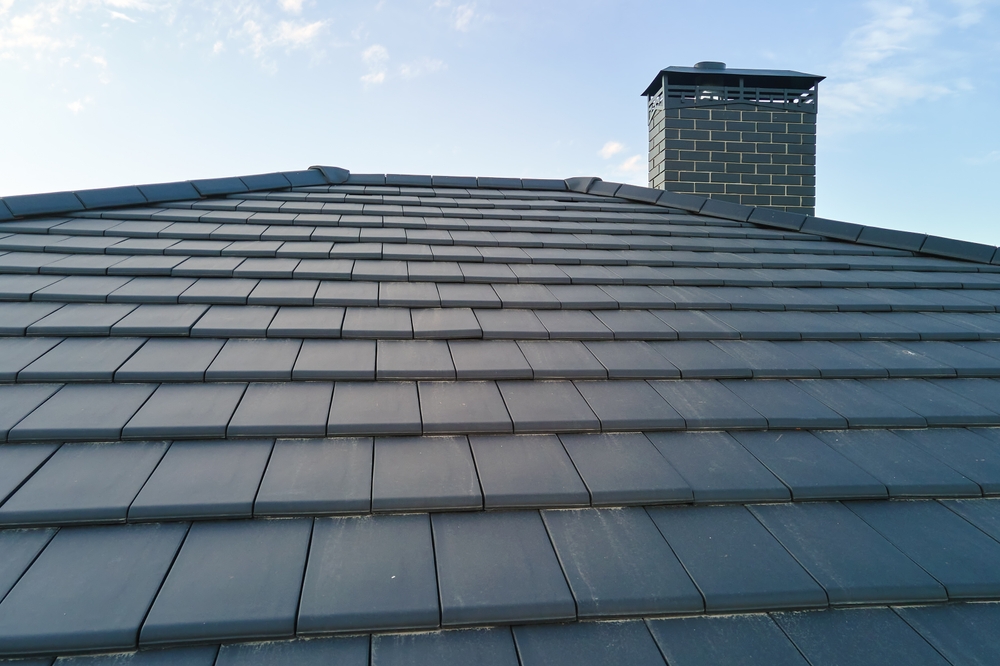
Soft cool roofing differs from traditional roofing systems through its specialized reflective coatings and materials. These systems consist of flexible, elastomeric membranes that can accommodate building movement while maintaining superior reflectivity. The technology relies on high albedo values, meaning the roof surface reflects a significantly higher percentage of incoming solar radiation compared to conventional dark roofing materials.
Traditional commercial roofs in Florida typically feature dark membranes that absorb sunlight and convert it into heat. This creates a thermal effect where roof surfaces reach temperatures of 160 to 180 degrees Fahrenheit on clear days. Soft cool roofing systems, by contrast, remain considerably cooler because they reflect rather than absorb solar energy. This fundamental difference in performance makes an enormous impact on building energy consumption, especially in Florida’s relentless subtropical climate.
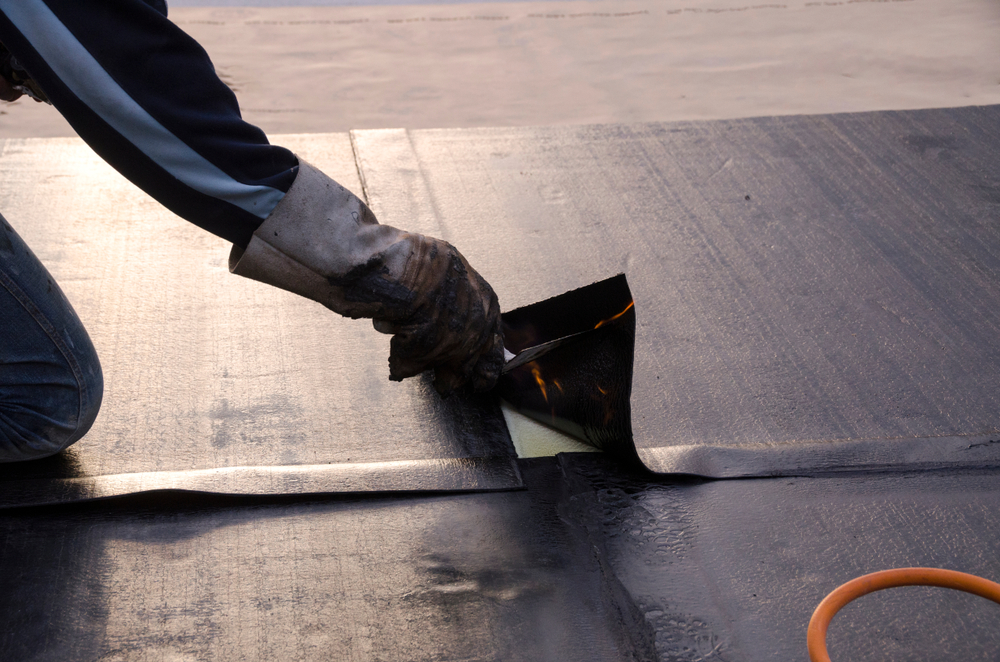
The installation process for soft cool roofing involves applying reflective coatings to existing roof membranes or installing new lightweight systems designed specifically for maximum reflectivity. The materials typically contain ceramic microspheres, reflective pigments, or other advanced compounds that enhance solar reflectance. Proper soft cool roofing installation requires specialized knowledge and attention to detail, as the effectiveness of the system depends on complete coverage and proper application techniques.
Energy Savings and Cost Reduction
The financial benefits of soft cool roofing for Florida commercial properties are substantial and measurable. Energy modeling studies consistently show that reflective roof systems reduce cooling costs by 20 to 30 percent, with some buildings experiencing even greater savings depending on their specific conditions. For a medium-sized commercial building in Florida, this translates into annual savings that quickly offset the initial investment in soft cool roofing installation.
Florida’s electrical rates rank among the highest in the nation, making energy efficiency a critical concern for business operators. When a building’s cooling system operates less intensively because the roof reflects heat, the entire HVAC system experiences reduced stress. This means lower electricity consumption, reduced peak demand charges, and decreased operating costs throughout the year. The savings accumulate month after month, year after year, creating a compelling return on investment.
Beyond direct energy savings, soft cool roofing reduces peak demand charges that many Florida commercial customers face. Utility companies charge premium rates during peak demand periods, and buildings with efficient roofing systems use less energy during these expensive hours. This dual benefit of reduced consumption and lower demand charges creates additional financial incentives for upgrading to commercial cool roofing systems.
Extending Roof Lifespan and Reducing Maintenance
Soft cool roofing systems extend the functional life of commercial roofing installations by protecting underlying membranes from the damaging effects of ultraviolet radiation and extreme heat cycling. In Florida’s harsh environment, where roofs face constant exposure to intense UV radiation, reflective coatings serve as a protective barrier that significantly slows material degradation.
The reduced surface temperatures achieved through soft cool roofing installation means less thermal stress on roofing materials. This lower thermal cycling reduces expansion and contraction cycles that cause premature cracking, membrane shrinkage, and seal failures. Building owners report that reflective roof systems maintain their integrity considerably longer than conventional dark roofing, delaying costly replacement projects and reducing maintenance expenses.
Regular maintenance requirements also decrease with soft cool roofing systems. The protective nature of reflective coatings means fewer UV-related failures and reduced deterioration of flashing and seals. Many Florida commercial property owners find they can extend maintenance intervals and reduce emergency repair calls when they upgrade to high-performance reflective roofing systems.
Environmental Benefits and Sustainability
Soft cool roofing contributes to reducing the urban heat island effect that plagues many Florida cities. When numerous buildings reflect solar radiation rather than absorb it, the cumulative effect moderates local ambient temperatures. This community-wide benefit reduces cooling demands across entire neighborhoods and districts, lowering overall energy consumption and associated carbon emissions.
The sustainability credentials of commercial cool roofing align with modern environmental standards and building certifications. Many LEED certified buildings in Florida incorporate soft cool roofing as part of their sustainability strategies. The reduced energy consumption directly translates into lower operational carbon footprints, helping businesses meet environmental commitments and appeal to environmentally conscious customers and investors.
Additionally, soft cool roofing reduces the cooling loads that would otherwise contribute to regional energy consumption patterns. This has meaningful implications for grid stability, particularly during peak summer months when Florida’s electrical infrastructure faces maximum strain. By reducing overall cooling demand, reflective roofing systems help stabilize the broader energy system.
Installation Considerations for Florida Properties
Successful soft cool roofing installation in Florida requires understanding local climate conditions and building-specific factors. Professional installation contractors must assess existing roof conditions, ensure proper substrate preparation, and apply reflective coatings or membranes according to manufacturer specifications. The salt spray environment in coastal Florida areas may require specialized coatings designed to withstand corrosive conditions.
Florida’s building codes and energy standards increasingly favor soft cool roofing systems. Many municipalities offer expedited permitting or incentive programs for businesses that install reflective roofing. Commercial property owners should work with experienced roofing contractors familiar with Florida-specific requirements and local ordinances governing roof installations.
The timing of soft cool roofing installation matters in Florida’s climate. Working during the dry season and avoiding installation during peak hurricane or thunderstorm periods ensures proper curing and application of reflective coatings. Professional installers understand these seasonal considerations and schedule projects accordingly to maximize system performance.
Choosing the Right Soft Cool Roofing System
Florida commercial property owners have several options when selecting soft cool roofing systems. Reflective coatings applied to existing membranes offer cost-effective upgrades that improve performance without complete roof replacement. Alternatively, new soft cool roofing membrane systems provide the highest performance when installed on structures nearing the end of their roofing life.
The choice between coating systems and full roof replacement depends on the condition of existing roofing, long-term property plans, and budget considerations. Experienced roofing professionals can evaluate these factors and recommend solutions that balance performance objectives with financial constraints. Working with qualified contractors ensures that soft cool roofing installation meets quality standards and delivers promised performance benefits.
Conclusion
Soft cool roofing represents a transformative technology for commercial buildings throughout Florida. By combining superior energy efficiency with extended roof lifespan and environmental benefits, reflective roofing systems deliver comprehensive value to business owners and property managers. The intense solar radiation and high cooling costs characteristic of Florida’s climate make commercial cool roofing an exceptionally practical investment.
The financial returns from soft cool roofing installation extend beyond simple energy savings. Reduced maintenance requirements, extended roof life, lower demand charges, and potential incentive programs combine to create attractive returns on investment. Environmental benefits add another layer of value, appealing to businesses seeking to enhance their sustainability profiles and reduce operational carbon footprints.
Florida commercial property owners exploring ways to improve building performance while reducing operating costs should seriously evaluate soft cool roofing systems. The technology is proven, the financial benefits are measurable, and the installation processes are well-established. By upgrading to reflective roofing systems, Florida businesses can enjoy cooler, more efficient buildings while maintaining a competitive edge through lower operational expenses.
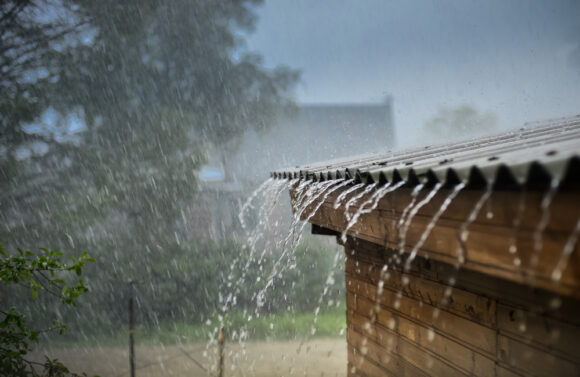
Spring in Hollywood, Florida brings warmer days, blooming landscapes, and unfortunately, unpredictable storms. Sudden downpours, high winds, and fast-moving storm cells are common across Broward County during this time of year. While many homeowners focus on hurricane preparation later in the season, spring storms can cause just as much frustration if your roof is not ready. A small crack, a loose tile, or minor flashing damage can quickly turn into a costly leak during heavy rain. That is why knowing how to prepare your roof for spring storms is critical for protecting your home and avoiding emergency repairs. With proper roof inspection in Hollywood, FL, and seasonal maintenance, you can move into storm season with confidence instead of concern.
Why Spring Storms in Broward County Demand Early Preparation
Hollywood’s climate presents unique roofing challenges. Sudden temperature shifts, high humidity, and strong wind gusts can stress roofing materials even before hurricane season begins. Spring storms often arrive with little warning, bringing heavy rain that tests every seam, tile, and shingle.
Many homeowners underestimate the damage that can occur during these shorter storm systems. Wind-driven rain can penetrate weak points, and debris can dislodge roofing materials that were already compromised. Once water finds a way inside, it can travel along decking and insulation before appearing as a visible ceiling stain.
Storm-ready roofing begins with proactive planning. Rather than waiting for visible damage, scheduling a roof inspection in Hollywood, FL early in the spring allows professionals to detect vulnerabilities before they escalate. Property managers overseeing multiple units in Broward County especially benefit from early inspections, as preventative maintenance reduces tenant disruptions and long-term repair costs.
Global Roofing Spec Inc. understands the urgency of spring preparation. Their inspection expertise focuses on identifying potential leak points and reinforcing vulnerable areas before sudden rains expose weaknesses.
Inspecting Shingles, Tiles, and Flat Roofing Systems
Roofing in Hollywood varies widely. Some homes feature traditional asphalt shingles, others rely on durable tile systems, and many commercial properties utilize flat roofing structures. Each system requires specific attention before storm season intensifies.
Shingle roofs should be examined for curling, lifting, or missing pieces. Even a single damaged shingle can create an entry point for wind-driven rain. Over time, Florida’s sun can weaken shingle integrity, making them more susceptible to wind damage during spring storms.
Tile roofing, while known for durability, is not immune to problems. Cracked or shifted tiles can allow water infiltration beneath the surface. Because tile roofs often conceal underlying moisture issues, professional evaluation is essential.
Flat roofing systems present different concerns. Drainage plays a critical role in preventing water pooling. Clogged drains or slight depressions can lead to standing water, increasing the risk of leaks. Ensuring that membranes remain intact and seams are properly sealed is vital for storm-ready roofing on commercial and multi-family properties.
Global Roofing Spec Inc. brings expertise in shingle, tile, and flat roofing repairs. Their comprehensive inspections go beyond surface-level observations, addressing structural components and potential leak sources specific to each roofing type.
Clearing Debris and Strengthening Drainage Systems
One of the simplest yet most overlooked aspects of how to prepare your roof for spring storms involves debris removal. Leaves, branches, and dirt accumulation can trap moisture and obstruct proper drainage.
In Hollywood’s subtropical climate, organic debris breaks down quickly and creates additional weight on roofing surfaces. Blocked gutters prevent water from flowing away from the structure, increasing the likelihood of overflow and fascia damage. Water that backs up beneath roofing materials can lead to interior leaks and mold growth.
Professional roof inspection in Hollywood, FL, often includes evaluating gutter systems and drainage components. Ensuring that downspouts direct water safely away from the foundation protects not only the roof but the entire property.
Global Roofing Spec Inc. incorporates drainage assessments into their seasonal maintenance programs. By addressing minor buildup before storms intensify, homeowners reduce the risk of water-related damage during sudden spring downpours.
Addressing Small Repairs Before They Become Emergencies
Small issues rarely remain small once heavy rain begins. A minor crack in flashing or a slightly lifted shingle may seem insignificant on a dry day. However, during intense wind and rain, these weaknesses can quickly expand.
Emergency roof repair often costs significantly more than preventative maintenance. When water enters the home, it can damage ceilings, insulation, and interior finishes. In rental properties, this may lead to tenant displacement or additional liability concerns.
Storm-ready roofing means resolving these minor issues early. A professional inspection can identify loose fasteners, worn sealants, or compromised flashing around vents and chimneys. Addressing these details ensures your roof performs as intended when storms arrive.
Global Roofing Spec Inc. is prepared for emergency repair readiness and fast response services. However, their goal is always prevention first. Through thorough inspections and timely maintenance, they help homeowners avoid last-minute crises during peak storm periods.
The Value of Seasonal Maintenance Programs
Routine maintenance is one of the most effective ways to extend roof lifespan and reduce repair expenses. In Broward County, where weather conditions fluctuate frequently, seasonal checkups provide added reassurance.
Global Roofing Spec Inc. offers seasonal maintenance programs designed to keep roofs in optimal condition year-round. These programs include detailed inspections, minor repair adjustments, and reinforcement of vulnerable areas. By scheduling regular evaluations, homeowners stay ahead of potential storm damage.
For property managers overseeing multi-unit buildings, consistent maintenance simplifies budgeting and planning. Rather than reacting to emergency calls after heavy rain, proactive service reduces unexpected disruptions.
Understanding how to prepare your roof for spring storms goes beyond a one-time inspection. It requires ongoing attention to material integrity, drainage performance, and structural strength. With expert guidance, homeowners can protect their investment while ensuring long-term durability.
In Hollywood and throughout Broward County, spring storms are inevitable. However, roof damage does not have to be. By scheduling a professional roof inspection in Hollywood, FL, addressing small repairs promptly, and investing in seasonal maintenance, you create a foundation of protection before severe weather strikes.
Global Roofing Spec Inc. combines inspection expertise, repair experience across shingle, tile, and flat systems, and fast emergency response services to support homeowners when they need it most. Preparing early ensures that when the next sudden storm rolls through Hollywood, your roof stands strong, keeping your home safe and dry.
Commercial buildings are substantial investments, and maintaining their condition is essential for long-term profitability. One of the most overlooked components that significantly influences a property’s market value is the roof. While it may not be as visually prominent as the facade or landscaping, a roof plays a crucial role in structural integrity, energy efficiency, and even aesthetic appeal. Upgrading a commercial roof can deliver substantial gains in property valuation, often translating into higher resale or lease prices.
Potential buyers or tenants evaluate a building based on functionality, safety, and maintenance demands. A deteriorating or outdated roof can trigger concerns about hidden costs and future repairs. Conversely, a newly installed or upgraded roof signals reliability and reduced risk, adding to a property’s desirability. Modern roofing systems also tend to align with current building codes and environmental regulations, further enhancing the building’s market profile.
Investors and property managers recognize that a roof upgrade is more than just a structural necessity. It is a strategic enhancement that adds tangible value and appeal to any commercial asset. In competitive markets, properties with upgraded commercial roofing stand out and often command a premium.
Lowering Long-Term Operating Costs
While the upfront price of a commercial roof replacement may seem steep, it is essential to view the expense through the lens of long-term return. One of the clearest benefits of an upgraded roofing system is roof replacement cost savings. This includes both direct and indirect reductions in operating costs over time.
New roofing materials and technologies provide superior insulation and reflectivity, which help regulate interior temperatures. This reduces the strain on HVAC systems, leading to lower energy bills year-round. Additionally, upgraded roofing systems often require less maintenance, which can significantly cut down on routine service expenses. Modern materials are engineered to resist weathering, leaks, and environmental stressors, minimizing the need for frequent patching or repair.
Upgrading also means fewer emergency repair costs. Older roofs are more prone to sudden failures during storms or harsh weather, which can disrupt business operations and require costly urgent services. With a modern, durable roof in place, these risks and expenses are dramatically reduced.
Over time, these savings compound. Businesses that prioritize infrastructure improvements enjoy better cost control and improved budgeting predictability. When assessing the commercial roofing ROI, long-term savings in energy, repairs, and operations must be part of the calculation.
Enhancing Energy Efficiency and Sustainability
The environmental performance of commercial buildings is becoming a more prominent factor in property valuation and tenant appeal. With energy codes becoming stricter and businesses seeking ways to lower their carbon footprint, energy-efficient roofing solutions are in high demand. Investing in an upgraded roofing system provides immediate and measurable benefits in this area.
Cool roofing materials, which reflect more sunlight and absorb less heat, are designed to reduce the urban heat island effect. These materials lower roof surface temperatures, which helps maintain a more consistent indoor environment and reduces cooling costs. Similarly, roofing systems that integrate insulation layers enhance thermal resistance and reduce air leakage, making HVAC systems operate more efficiently.
Green certifications such as LEED (Leadership in Energy and Environmental Design) often factor into commercial real estate appraisals. A new roof that improves a building’s sustainability profile can help earn or maintain such certifications. This adds credibility to the property and may attract environmentally conscious tenants who are willing to pay a premium for eco-friendly spaces.
Moreover, sustainable roofing options can include features like solar panel integration, rainwater collection systems, and vegetative roofs, further enhancing the building’s performance and value. These innovations not only reduce operating costs but also align with broader environmental goals, contributing positively to a company’s public image.
Boosting Tenant Satisfaction and Occupancy Rates
The condition and quality of a commercial building’s roof have a direct impact on the comfort and satisfaction of its occupants. Leaks, poor temperature regulation, and noise intrusion caused by outdated or damaged roofing materials can all degrade the tenant experience. As a result, properties with inferior roofing systems may struggle with higher turnover rates and longer vacancy periods.
Upgrading a commercial roof helps mitigate these issues. New roofing materials offer improved insulation against both temperature and sound, creating a more comfortable indoor environment. Tenants are more likely to renew leases or sign new ones when they feel confident in the building’s infrastructure. A well-maintained and modern roof demonstrates that the property owner invests in quality, which builds trust and fosters long-term tenant relationships.
Satisfied tenants are not only more likely to stay longer but are also more likely to recommend the property to others. This word-of-mouth promotion can reduce marketing costs and shorten the time needed to fill vacancies. Higher tenant retention and consistent occupancy directly contribute to revenue stability, which in turn enhances the overall commercial roofing ROI.
From a leasing perspective, an upgraded roof can justify higher rental rates. Prospective tenants recognize the value of infrastructure improvements, especially when they result in lower utility bills and a safer, more comfortable work environment. In competitive markets, having a modern, energy-efficient roof can be a decisive factor in attracting top-tier tenants.
Protecting the Building’s Structural Integrity
A commercial roof is more than just a surface that shields the interior from rain or sun. It plays a critical role in protecting the structural integrity of the entire building. Water intrusion due to leaks can compromise walls, ceilings, insulation, and even foundational elements. Mold growth, corrosion, and structural weakening are just some of the expensive consequences of a neglected or aging roof.
Upgrading your roof mitigates these risks by incorporating advanced waterproofing technologies, better drainage designs, and high-performance materials that withstand extreme weather conditions. A properly designed and installed roof prevents the accumulation of water and redirects moisture away from vulnerable parts of the structure. This proactive protection extends the life of the building and avoids the substantial costs associated with major structural repairs.
In insurance evaluations, a new roof can reduce premiums due to its lower risk profile. Insurers view upgraded roofing systems as a sign of responsible property management, which can result in more favorable coverage terms. This further contributes to roof replacement cost savings and adds another layer of financial return on investment.
In the long run, preserving the structural health of a commercial building ensures its usability, safety, and compliance with building codes. These benefits maintain or even increase the resale value of the property, offering additional assurance to potential buyers and investors.
Conclusion
Investing in a commercial roof upgrade is a strategic decision with far-reaching implications. It is not merely about replacing old materials with new ones. It is about enhancing property value, reducing long-term operating costs, improving energy efficiency, elevating tenant satisfaction, and safeguarding the building’s structure. Each of these benefits contributes to a stronger commercial roofing ROI and helps future-proof your investment.
The return is both immediate and long-term. Energy savings, insurance reductions, increased occupancy, and lower maintenance costs begin to add up right away. Over time, these advantages compound, positioning your property as a high-performing, low-risk asset in the marketplace.
Whether you are preparing a building for sale, aiming to attract better tenants, or simply seeking to lower your operational expenses, upgrading the commercial roof offers a reliable and cost-effective path forward. By understanding the full scope of benefits and taking action, property owners can turn their roof into a powerful asset rather than a silent liability.
Florida may not experience the snowstorms and freezing temperatures of northern states, but that doesn’t mean winter comes without risks for homeowners, especially when it comes to the roof. While the Sunshine State is known for its warm climate, the winter months can still bring about a unique set of challenges that silently damage roofs over time. The problem is, many homeowners in Florida overlook these subtle signs until the damage has escalated into an expensive and time-consuming repair.
Understanding how Florida’s winter climate impacts your roof is essential for year-round protection. From unexpected moisture buildup to the after-effects of hurricane season, roof maintenance during the cooler months is critical, even if the signs aren’t always obvious. Below, we delve into some of the most common winter roofing issues that Florida homeowners often don’t recognize until it’s too late.
Moisture Infiltration from Cool-Season Rains
Although Florida doesn’t see heavy snow, the winter still brings periods of increased rainfall, particularly in the form of passing cold fronts. These rain showers may seem minor, but consistent exposure to moisture during this season can cause unseen damage to roofing materials. The combination of cooler temperatures and rainfall can allow water to seep into small cracks, especially if the roof has pre-existing vulnerabilities such as worn shingles or compromised flashing.
Once water infiltrates beneath the roofing surface, it can lead to mold, rot, and the weakening of the structural integrity of your home. Because the damage is internal, it may not be immediately visible. Homeowners often go months before noticing the telltale signs such as ceiling stains, mildew odors, or sagging drywall. By the time these indicators appear, the damage is often extensive, requiring more than just minor repairs.
Regular roof maintenance, including inspections after heavy rains, can help identify these problems early. Addressing potential points of entry before they evolve into major leaks is essential in preventing costly repair bills and ensuring the long-term health of your home.
Hidden Damage from Hurricane Season
Florida’s hurricane season officially ends in November, just as the cooler months begin. However, the aftermath of a busy storm season can linger well into winter. High winds, flying debris, and torrential rains from late-season storms often leave behind damage that isn’t immediately obvious. Loose shingles, compromised underlayment, and damaged flashing are common roofing issues that may not show symptoms until winter conditions cause further stress.
What’s especially deceptive is that many of these problems remain hidden during dry or mild weather. But as cooler rains roll in or temperatures drop slightly, the weakened areas may start to fail. Water that gets trapped under loose shingles or in clogged gutters can lead to internal leaks and attic mold. Without a proper inspection following hurricane season, these problems may remain dormant until they become emergencies in the middle of winter.
This underscores the importance of thorough post-storm inspections, even if no visible damage is present. Proactive roof maintenance can uncover these subtle issues early and provide the opportunity to fix them before they escalate.
Thermal Expansion and Contraction
In Florida, temperature fluctuations aren’t always extreme, but they are significant enough during winter to contribute to thermal expansion and contraction of roofing materials. This phenomenon occurs when daytime temperatures warm up roofing components, causing them to expand, and nighttime cooling leads to contraction. Over time, this cycle can cause roofing materials to crack, warp, or pull apart at the seams.
Flat roofs, commonly used on Florida homes and commercial buildings, are especially susceptible to this type of stress. Membranes may blister or tear, and seams may become unsealed, allowing water to enter. Shingled roofs are not immune either; the adhesives that bind shingles can weaken, and nails may begin to loosen, compromising the overall integrity of the roof.
Because these shifts happen slowly and incrementally, homeowners often don’t notice the effects until a leak or other damage has already developed. Consistent roof maintenance, particularly in the transition months, is key to monitoring these stress points and catching early signs of material fatigue.
Mold and Algae Growth
Florida’s humid climate provides the perfect breeding ground for mold, mildew, and algae, even in the winter. In fact, cooler temperatures can encourage moisture to linger longer on roofing surfaces, especially if they are shaded or poorly ventilated. Algae growth typically appears as dark streaks or patches on shingles, while mold may start in unseen areas like under eaves or inside attics.
These growths are more than just cosmetic problems. Mold and algae can break down roofing materials over time, reducing the roof’s effectiveness and lifespan. In extreme cases, mold spores can even enter the home’s HVAC system, posing health risks to occupants. During winter, when homes are more tightly sealed to retain warmth, poor ventilation can exacerbate these issues, allowing mold and moisture to flourish unnoticed.
A lack of routine roof maintenance during the winter months often allows these problems to go unchecked. Professional cleaning and inspection not only improve your roof’s appearance but also prevent long-term structural damage and indoor air quality concerns.
Neglected Gutter Systems
Another commonly overlooked area during Florida winters is the gutter system. Because the state doesn’t experience falling leaves in the same way as northern regions, many homeowners assume their gutters are fine year-round. However, Florida’s lush vegetation and frequent rains can clog gutters with pine needles, palm fronds, and other debris, especially after the storms of late summer and fall.
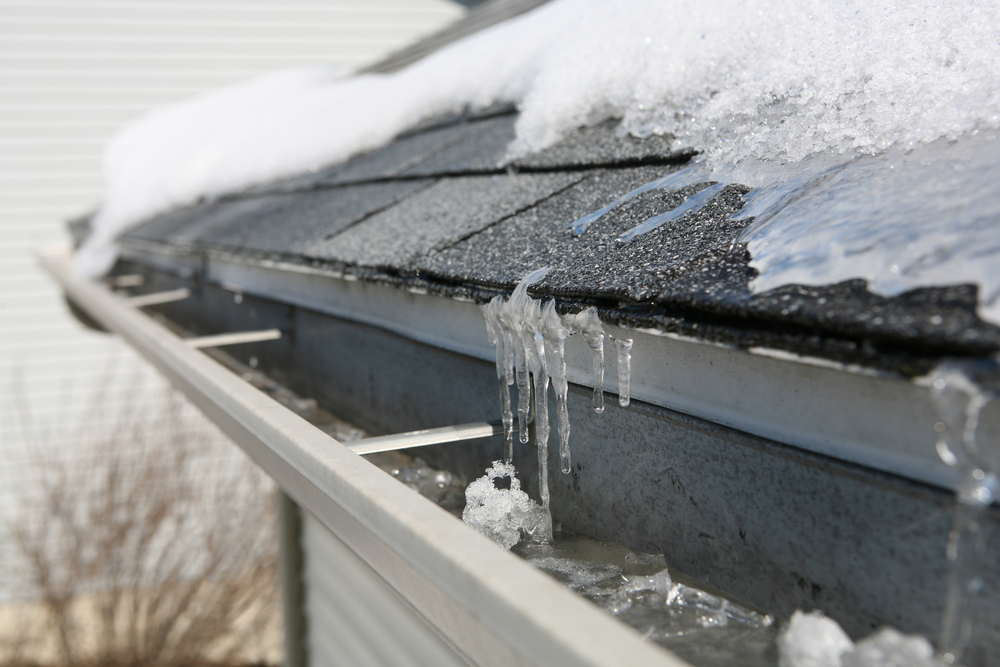
Clogged gutters can prevent water from draining properly off the roof, causing it to pool along the edges or back up under shingles. This standing water increases the risk of rot, mold, and foundation damage. During cooler months, the added moisture can also make roof surfaces more slippery and dangerous for anyone attempting DIY cleaning or repairs.
Winter is the perfect time to assess and clear out your gutter systems, ensuring they are directing water away from your home effectively. As part of your roof maintenance routine, make sure downspouts are clear, brackets are secure, and water is draining safely away from the foundation.
Conclusion
Florida homeowners may enjoy mild winters, but that doesn’t mean their roofs are immune to seasonal problems. From lingering storm damage and winter rains to thermal expansion and hidden mold growth, the dangers are both real and often unnoticed until it’s too late. These seemingly minor issues can compound over time, leading to significant structural damage and costly repairs.
The key to avoiding these winter roofing issues lies in regular, proactive roof maintenance. Rather than waiting for visible signs of trouble, homeowners should take the initiative to schedule professional inspections, clean gutters, monitor for mold, and address any minor vulnerabilities before they grow. By staying vigilant during the cooler months, you not only extend the life of your roof but also protect your investment and ensure your family’s comfort year-round.
Investing time and attention into your roof this winter could be the difference between peace of mind and an unexpected emergency. Don’t let Florida’s gentle winters fool you; your roof still needs your care.
Commercial property owners in Fort Lauderdale face a unique challenge when it comes to managing energy expenses. The city’s subtropical climate brings intense sunshine, high humidity, and soaring summer temperatures that drive up cooling demands year-round. For businesses, this translates into significant operational costs, with air conditioning often accounting for the majority of their utility bills. As energy prices continue to fluctuate, companies are actively seeking sustainable solutions that not only lower costs but also extend the life of their facilities. One of the most effective strategies proving to deliver measurable savings is the adoption of commercial roofing systems designed with reflective roofing technology.
Traditional dark roofing materials absorb and trap heat, causing interior spaces to remain warm even after the sun goes down. This heat transfer forces cooling systems to work harder, leading to inflated energy bills and added wear on HVAC equipment. By contrast, modern reflective roofing solutions are engineered to bounce solar radiation away, dramatically reducing the heat absorbed by commercial structures. For businesses in Fort Lauderdale, the move toward energy-efficient roofing is more than a trend. It has become an investment strategy that secures long-term financial benefits.
Understanding Cool Roofing and Its Impact
Cool roofing refers to roofing systems designed with reflective materials or coatings that minimize heat absorption. These systems are typically composed of lighter-colored surfaces or specialized coatings that enhance solar reflectance and thermal emittance. Reflective roofing technology ensures that less heat is transferred into a building’s interior, maintaining cooler indoor environments and reducing the reliance on air conditioning.
The benefits extend beyond direct energy savings. By lowering roof surface temperatures, cool roofing reduces thermal expansion and contraction, one of the primary causes of roof degradation. This prolongs the life of the roof, saving property owners thousands of dollars in premature repair or replacement costs. In addition, reflective roofing contributes to urban heat island mitigation, an issue particularly relevant in dense, sun-soaked cities like Fort Lauderdale. By lowering ambient temperatures, these roofing systems not only benefit individual buildings but also contribute to the overall comfort and sustainability of the community.
Commercial roofing projects that incorporate reflective roofing have consistently shown reductions in peak energy demand during the hottest months. Businesses enjoy reduced operational costs, and in many cases, rebates or tax incentives are available for implementing energy-efficient roofing systems. For Fort Lauderdale enterprises striving to balance profitability with environmental responsibility, cool roofing offers a clear path forward.
Case for Commercial Buildings in Fort Lauderdale
The geographic and climatic context of Fort Lauderdale makes commercial roofing upgrades especially valuable. The region experiences nearly year-round sunshine, with an average of over 230 sunny days annually. Combined with high humidity levels, these conditions create a constant cooling demand for office buildings, retail centers, warehouses, and hospitality establishments. Without proper roof technology, businesses bear the brunt of escalating utility costs.
Consider a mid-sized office complex in downtown Fort Lauderdale. By upgrading from a traditional asphalt roof to a reflective roofing system, the building owner could potentially reduce annual cooling expenses by 15 to 25 percent. For properties with extensive square footage, this translates into savings of tens of thousands of dollars each year. Furthermore, the consistent reduction in energy demand decreases strain on HVAC systems, lowering maintenance costs and extending their lifespan.
Hospitality businesses such as hotels and resorts also see immense value in cool roofing investments. Guest satisfaction often depends on indoor comfort, and reflective roofing ensures a more stable indoor climate while cutting operational costs. Retailers and shopping centers gain similar advantages, where cooler interiors enhance the customer experience, encouraging longer visits and greater spending. In every case, the return on investment from commercial roofing upgrades is amplified in Fort Lauderdale’s challenging climate.
The Financial and Environmental Advantages
The financial savings associated with reflective roofing go hand in hand with environmental benefits. Lower energy consumption directly reduces greenhouse gas emissions, helping businesses meet sustainability goals and improve their reputation among environmentally conscious clients and customers. In an era where corporate responsibility influences consumer behavior, investing in eco-friendly commercial roofing can also enhance brand value.
Additionally, reflective roofing qualifies many businesses for local, state, or federal incentives aimed at promoting sustainable construction practices. In Fort Lauderdale, utility companies and government programs often provide rebates or financing options for energy-efficient upgrades, further reducing upfront costs. When viewed over the lifespan of the roof, these savings and incentives compound to deliver an attractive financial profile for cool roofing systems.
From an environmental perspective, the impact extends beyond individual properties. When multiple businesses adopt reflective roofing across a city, the collective reduction in heat absorption helps mitigate the urban heat island effect. This not only improves comfort for residents but also reduces overall energy demand on the grid, creating a ripple effect of sustainability. For Fort Lauderdale, a city known for its bustling tourism and growing commercial sector, the widespread adoption of cool roofing represents a significant step toward balancing economic growth with environmental stewardship.
Implementation and Long-Term Outlook
For businesses considering cool roofing, the implementation process begins with a thorough evaluation of the existing roof. Professional contractors specializing in commercial roofing assess structural integrity, insulation, and drainage before recommending appropriate reflective roofing solutions. Options include reflective membranes, specially coated metal roofing, and advanced coatings applied to existing systems. Each solution offers varying levels of reflectivity and durability, allowing businesses to tailor their investments to their budget and long-term objectives.
Once installed, maintenance requirements are generally minimal compared to traditional roofing systems. Routine inspections and occasional cleaning to remove debris or buildup ensure optimal performance. Given the durability of modern materials, many reflective roofing systems last decades, delivering reliable returns on investment year after year.
Looking ahead, the adoption of reflective roofing in Fort Lauderdale is poised to accelerate as more businesses recognize the dual benefits of cost savings and environmental responsibility. Advances in roofing technology continue to improve reflectivity, durability, and ease of installation. This means businesses that invest today are not only securing immediate energy savings but also positioning themselves to remain competitive in an increasingly eco-conscious marketplace.
Conclusion
Commercial roofing plays a pivotal role in controlling energy costs for businesses in Fort Lauderdale. The city’s climate, characterized by intense heat and humidity, makes cooling expenses one of the largest operational burdens for commercial property owners. By embracing reflective roofing technology, businesses achieve significant energy savings, extend the lifespan of their roofs, and reduce maintenance expenses. The financial rewards are complemented by environmental benefits, helping companies align with sustainability initiatives while enhancing their reputation in the marketplace.
For office complexes, retail establishments, hotels, and warehouses, cool roofing represents more than a construction choice. It is a strategic investment in operational efficiency and long-term profitability. As energy prices rise and environmental expectations grow, the shift toward reflective roofing is likely to become standard practice in Fort Lauderdale’s commercial sector. Businesses that act now position themselves ahead of the curve, securing immediate savings while contributing to a more sustainable future for the city as a whole.